
Serengeti National Park, Tanzania | Safari Guide, Map & More
The Serengeti National Park ecosystem is a geographical area located in northern Tanzania, adjacent to Kenya, Lake Victoria, and the Ngorongoro Conservation Area. It is a UNESCO World Heritage national park that provides year-round safari experiences.
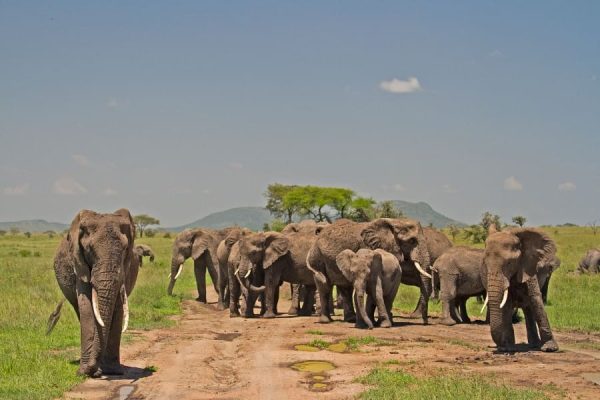
The allure and thrill of a Serengeti safari can be experienced during the low season when fewer tourists populate the magnificent surroundings. Between June and October, the Great Wildebeest Migration traverses the Mara River, presenting a remarkable spectacle, yet also constituting the peak season of the year. Observe the cheetah atop termite mounds scanning the terrain for prey, elephant herds traversing expansive plains, and other remarkable species. Investigate the premier destinations in Tanzania, or visit our blog to peruse narratives from the field.
Book your Serengeti safari now and discover its secrets for yourself.
Serengeti National Park Itineraries
Allow Kabira Safaris Africa to orchestrate your ideal safari experiences in the Serengeti, customised to your specifications. Our team of specialists will offer tailored guidance and assistance during your trip-planning process. Here are few exemplary instances to inspire and initiate your efforts.
Serengeti Safaris by Road
The most common way to reach Serengeti is by road, typically beginning and ending in Arusha with a 4×4 Landcruiser Jeep as the vehicle of choice. Depending on which Camp has been reserved for your excursion, the journey from Arusha to Serengeti typically takes five to six hours. The advantages of a road safari include reduced costs and the opportunity to see and experience more of the authentic Tanzanian countryside. On the drawback, a portion of the route’s roadways are in subpar condition.
Serengeti Flying Safaris
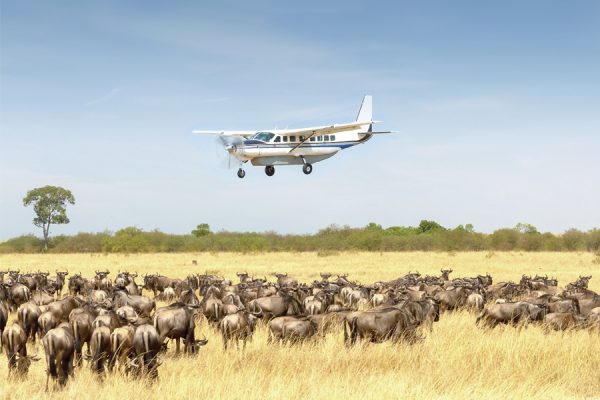
Flyin, or “Flying Safaris” as they are also known, offer the convenience of reaching Serengeti within an hour from Arusha, and are the norm for certain Safari Camps in Serengeti that are more remote or that only offer accommodations with safari drives. Flights depart twice daily from Arusha or Kilimanjaro airport in Arusha, and upon arrival at the Serengeti airstrip, guests are met and transferred to their respective Camp or Lodge in time for lunch. The property provides 4×4 safari tour vehicles for game excursions.
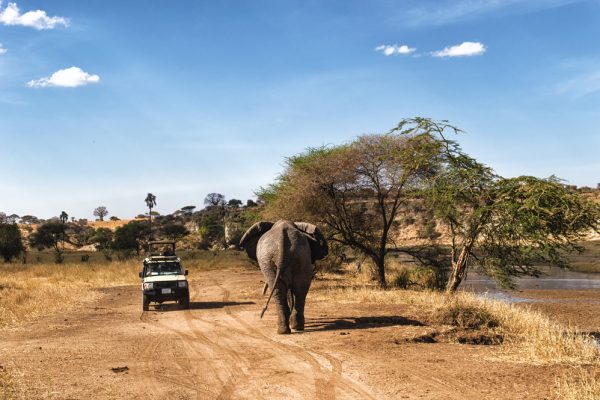
Serengeti Safaris
Serengeti safaris are wildlife viewing tours in Tanzania’s Serengeti National Park, offering opportunities to see animals like lions, elephants, and the great wildebeest migration. These safaris vary in price and style, from budget-friendly camping trips to luxury lodge stays. Key experiences include guided game drives and visiting other nearby areas like the Ngorongoro Crater and Lake Manyara.
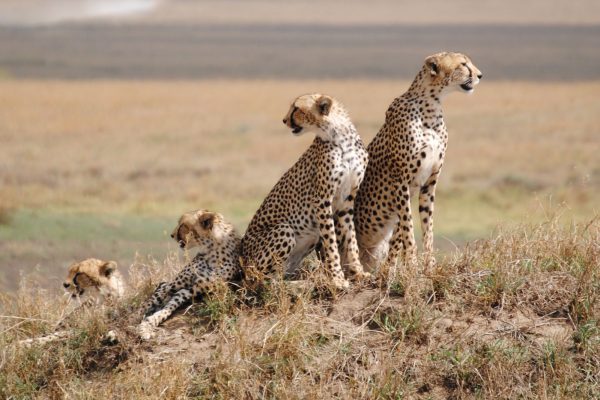
Serengeti Safari Packages
Serengeti safari packages vary in price and duration, with options ranging from budget to luxury and lasting from a few days to several weeks. Typical packages include wildlife viewing, lodging in lodges or tented camps, and some may include transportation from cities like Arusha or Nairobi, with costs generally ranging from approximately $2,500 USD for a budget one-week trip to over $7,500 USD for luxury options.
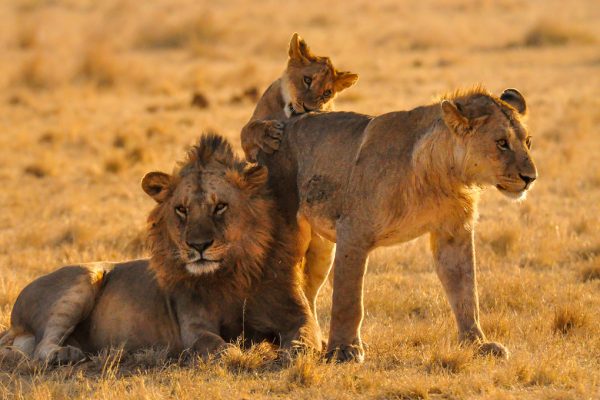
2 Day Serengeti Safari
A 2-day Serengeti safari typically includes a combination of game drives, wildlife viewing, and transportation from a starting point like Arusha or Mwanza, or a flight from Zanzibar. These tours often have a wide range of costs, with packages including park fees, accommodation (in lodges or camps), meals, and a private safari vehicle with a guide. A 2-day trip is a quick but intense experience to see iconic African.
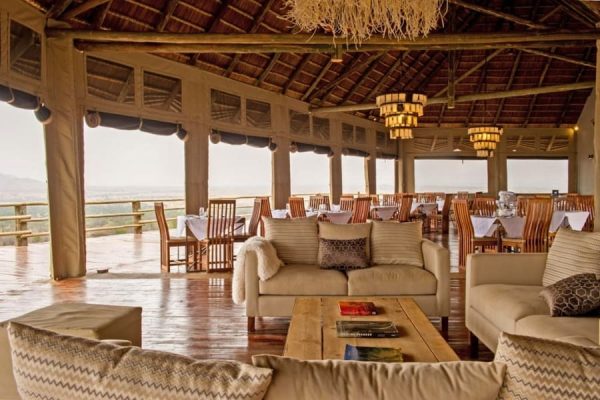
4 Days Serengeti Itinerary
4 Days Serengeti: The Luxury for Exploring Serengeti National Park. Designed for the discerning traveler, our 4 days in Serengeti is luxury safari offers an exclusive experience of touring this premier wildlife reserve in East Africa, with accommodations in exceptional luxury Tented Camps at prime locations in Serengeti National Park, perfect for the wildebeest migration seasons.
3 Days Serengeti Safari
Crafted for the discerning traveler, our 3 days luxury Serengeti safari offers an exclusive experience of touring this premier wildlife reserve in East Africa with accommodation in exceptional, award winning luxury Tented Camps located at prime spots in Serengeti National Park, ideal for the wildebeest migration season.
2 Days Serengeti Flying Safari
The Essential 2 Days Serengeti Flying Safari Itinerary + Map. If you are short on time and can only spend one night in Serengeti, this is the perfect solution: take a 1 hour flight from Arusha to Serengeti, where you will be met by your Driver-Guide to commence your safari. After a wildlife drive and breakfast the next morning, return to Arusha via flight.
3 Days Fly-in Serengeti Safari
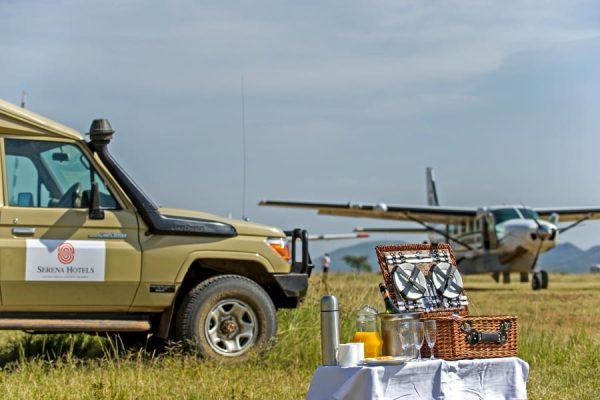
The Perfect 3 Days Fly-in Serengeti Safari Itinerary. This three-day Flying Serengeti Safari is excellent for those who wish to visit Serengeti but wish to avoid the five- to six-hour drive from Arusha. Instead, we can offer a safari flight package that includes a one-hour flight to Serengeti from Kilimanjaro International Airport in Arusha.
4 Days Serengeti Flying Safari
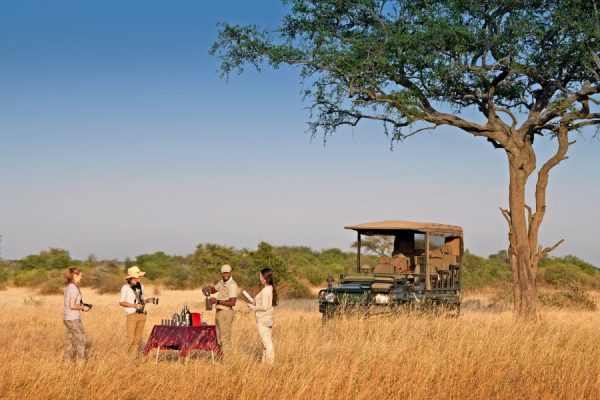
A Detailed 4 Days Serengeti Flying Safari Itinerary You Should Steal. Enjoy three unforgettable evenings at Grumeti Serengeti River Lodge, a luxurious safari lodge located in the great Serengeti’s delightfully remote Western Corridor, offering seclusion, luxury, and the million-year tranquility that is one of the Serengeti’s many charms.
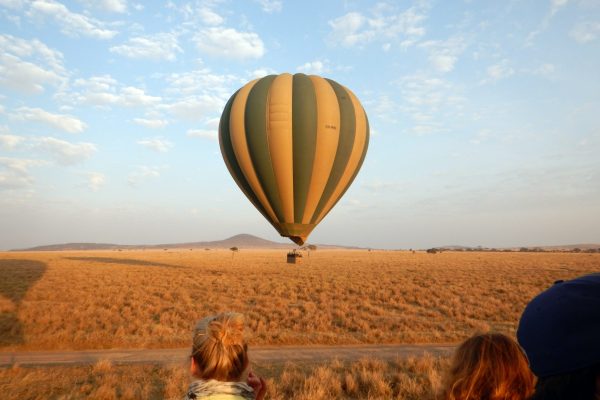
Serengeti Balloon Safaris
The Unforgettable Serengeti Balloon Safaris with Prices & Reviews. Flying in a Hot Air Balloon over the expanses of Serengeti National Park is a once-in-a-lifetime opportunity that can be enjoyed on any Serengeti safari. The balloon lifts off at dawn, around 6:00 a.m., gliding silently over the savannah grasslands below, where you may glimpse a variety of wildlife.
Serengeti National Park Facts
The Serengeti National Park, located in northwestern Tanzania, is a 1510-square-kilometer expanse of gradually rolling African savannah plains that borders the Masai Mara National Reserve in Kenya to the north. The Serengeti is a one-of-a-kind protected wildlife conservation area that is renowned for its astounding natural diversity of wildlife. It is also a prominent Tanzania Safari location in East Africa, and there are numerous reasons to visit this animal paradise. Large populations of lions, cheetahs, elephants, rhinoceroses, African buffalo, wildebeest, giraffes, and zebras inhabit the park in their natural habitat, unrestricted and free to roam the miles-long wilderness.
Given that the reserve has been designated one of the new Seven Wonders of the World, it is not surprising that tourists from around the globe travel here. Regarding the origin of the name, ‘Masai’ comes from the Maasai tribe, the nomadic inhabitants of the region, and ‘Mara’ is their term for ‘spotted,’ referring to the flat-topped acacia trees, shrubs, and bushes that cover the majority of the reserve’s landscape.
Serengeti National Park is located in the Mara and Simiyu regions and contains 1.5 million hectares of savanna, and stretches on a total land area of over 14,763 square kilometers in Tanzania. The park was established in 1951. Serengeti Park is at the heart of the larger Serengeti ecosystem and is well defined by the area traversed by the annual animal migration.
The Serengeti National Park lies in the Northern Tanzania Safari Circuit, bordered in the north by Kenya, where it is continuous with the Maasai Mara National Reserve.
Serengeti National Park is made up of several sections which include the Ngorongoro Conservation Area, in the southeast of the park, the southwest lies Maswa Game Reserve, to the west are the Ikorongo and Grumeti Game Reserves, and to the northeast and east lies the Loliondo Game Control Area. Together, these areas form the larger Serengeti ecosystem.
What is special about Serengeti National Park?
Serengeti is one of the world’s oldest ecosystems. Serengeti National Park is one of the only fewer places where you can witness the unaltered natural animal migration in the world. Large herds of grazers that move in pursue of fresh pastures and water for their survival have made tourists describe it as the greatest wildlife sighting on earth.
The large mammal grazers with over one million wildebeest, thousands of zebras and gazelles, move through the Serengeti annually in search of food and breeding grounds.
Serengeti Safaris
Commence an indelible expedition with guided safari trips in Serengeti National Park. These meticulously designed excursions provide immersive experiences customised to various interests, enabling you to explore the park’s stunning landscapes and remarkable species comprehensively. Specialised guides conduct journeys into the expansive savannahs, imparting their profound understanding of the ecology and its denizens. Experiencing the renowned Great Migration and observing the Big Five in their natural environment, every minute is imbued with awe and exploration. These guided safaris offer invaluable insights, convenience, and the chance to forge lasting memories while traversing one of Africa’s most renowned sites.
This is certainly not an exaggeration to say that a safari in Serengeti is the finest wildlife adventure experience in the world. The park is home to some of the most diverse collections of animals, including not only the ‘Big Five’ but also the ‘Big Nine’, the majority of which can be observed during a safari excursion in Serengeti. Even though the wildebeest migration season from July to September is the pinnacle of the year, a safari in the Serengeti is always a rewarding experience. Below is a list of various Serengeti tour packages, ranging from budget road excursions to luxury Fly-In Safaris staying at boutique Tented Camps.
How To Book A Serengeti Safari
Planning a safari to Serengeti, or a Tanzania Safari for that matter, can be difficult due to the numerous options regarding everything from reaching the reserve to booking lodging and activities. The sections below attempt to facilitate this process by providing pertinent information on planning both your Serengeti safari and your Tanzania safari. In terms of when to visit, keep in mind that the reserve is teeming with wildlife year-round; however, due to migration season and the presence of larger populations, rates are higher from July to October. Your tour itinerary will also include the selection of a mode of transportation to the reserve and a camp or lodge for your stay.
Top Serengeti Safari Activities
Game Drives: Our seven-passenger, open-sided game trucks are outfitted with canvas roofs, electrical outlets, and refrigeration units, ensuring your comfort while observing huge herbivores and predators up close.
Hot-air Balloon Rides: Ascend quietly and serenely over the expansive savannas in a hot-air balloon, observing remarkable wildlife and witnessing a breathtaking sunrise.
Photographic Safaris: Engage in the exhilaration of wildlife photography as never before with our customised photographic vehicles. They provide 360° vistas of breathtaking landscapes and magnificent wildlife, enabling you to obtain the ideal photograph from any perspective. Seize this opportunity to express your creativity and discover the marvels of nature from our photographic vehicles. Available exclusively at Sayari Camp and Namiri Plains.
Walking Safaris: Commence a walking expedition into the wilderness with your knowledgeable guide, studying the diminutive fauna, such as ants, termites, and dung beetles. You will also acquire the skills to monitor animals through their tracks and excrement.
Our seasoned tour designers are available to realise your Serengeti safari aspirations. We will assist you at each stage and provide expert counsel to ensure your safari is a distinctive, memorable, and exceptional experience. Examine these itineraries, exemplary models to inspire and stimulate your desire for travel.
Animals In Serengeti National Park
It is possible to identify not only the ‘Big Five’ as is commonly stated, but also the ‘Big Nine’, which includes the Lion, Leopard, Elephant, Rhino, Buffalo, Giraffe, Zebra, Cheetah, and Hippo. Due to the nature and abundance of flora and fauna in the national park, it is possible to see all of the animals listed above not only in a single 2-3 hour game drive, but also, with a little luck, within an hour of your drive in the reserve. The preceding section contains photographs and concise descriptions of some of the incredible wildlife and animals that can be found in Serengeti, including a list of the most commonly spotted birds. The game reserve is a veritable animal kingdom and probably the best location to observe an extraordinary ecosystem of African wildlife in the wild.
Best Time to Visit Serengeti
What is the best time to visit Serengeti? This is a query frequently posed by travelers planning once-in-a-lifetime trips to the park. The best periods to visit the park are between January and February or June and September, but you should plan your trip around The Great Migration.
However, we cannot emphasize this enough: Serengeti National Park is an excellent safari destination throughout the year due to its optimal climate and abundance of wildlife, which allows for excellent game viewing throughout the year. The average daytime temperatures remain comfortable, while evenings are only slightly cooler, necessitating at most a cardigan or light jacket. In general, these conditions provide superb game viewing throughout the year. Similar to other locations in Tanzania, the reserve has two rainfall seasons that each last two to three months: April to May and September to November. Seasonal precipitation influences vegetation and water sources, thereby influencing animal movement and concentration.
Wildebeest Migration Serengeti
The Serengeti wildebeest migration is an annual, circular journey of over 1.5 million wildebeest, hundreds of thousands of zebras, and gazelles, following the seasonal rains and fresh grasses across the Serengeti plains and into Kenya’s Maasai Mara. This epic trek, a highlight of African safaris, sees herds move south to the Serengeti’s short-grass plains for the calving season around February, then north in search of grazing, culminating in dramatic river crossings.
Between December to June is the wet season in Serengeti and animals usually head towards the south to Naabi Hill, and as temperatures increase and the dry season sets, the large herds travel through the Seronera River Valley and the Western corridor before they cross the Grumeti River and moving north to the Lobo Valley and Bologonja Springs. Usually, after several months of grazing on fresh pastures, the herds turn around and start the process afresh.
The large herds are usually followed by predators which hunt them down for food. Serengeti is the only place that can offer you a chance to see such a dramatic scene in the world that occurs naturally. Thus a visit here will only create lasting memories.
Wildlife in Serengeti National Park
Serengeti National Park habituates great numbers of wildlife. The spatial-temporal gradient with the abiotic factors such as the rainfall, temperature, topography, and geology with the drainage systems in the Serengeti Park have manifested a wide variety of large numbers of wildlife both aquatic and terrestrial.
The Serengeti is home to 2 million wildebeests, with around 900,000 and 300,000 zebras as the dominant herds. Other herbivores in Serengeti Park include the elands, hartebeests, buffalos, hippopotamus, black rhinoceroses, antelopes, and ten species of primates.
The Serengeti Park also inhabits large numbers of predators, Serengeti National Park has one of the largest lion populations in Africa with over 4,000 lions, others include the leopards, cheetahs, spotted hyenas, wild dogs.
Serengeti Park is also a home to great numbers of birdlife with it habituating over 500 species of birds that are perennial. Serengeti Park has the highest ostrich population in Tanzania and probably Africa at large.
On travel to Serengeti Park, a visit to the vast Seronera River Valley will offer you a great chance to view the vast grasslands encompassed within the park.
A mere dream of having a tour in Africa means to visit the world’s home to the largest ungulate annual migration with a rewarding number of wildlife to see here.
Serengeti Safari Costs
A Serengeti safari costs can range from around $1,250 USD per person for a budget 7-day trip to $7,500 USD or more for a luxury experience. For a 10-day trip, budget safaris are between $2,000 and $2,500 USD per person, mid-range is $2,500 to $4,500 USD, and luxury is around $4,000 USD and up. The final cost depends on the season, trip length, accommodation type, and whether the tour is private or shared.
The Serengeti National Park is one of the world’s oldest and arguably greatest wildlife conservation sites. Many people who plan to visit want to know how much a Serengeti Safari costs. The final cost of your safari excursion is determined by a number of factors. Some of these considerations include the kind of lodging, the number of persons traveling, the preferred mode of transportation (by road or by air), the duration of your trip, the time of year, and the inclusion of extra activities.
Game Drives in Serengeti National Park
Game drives in Serengeti National Park offer immersive wildlife viewing through morning, afternoon, and full-day tours in 4×4 safari vehicles, with peak activity often occurring in the early morning and late afternoon. The dry season, from June to September and December to February, is ideal for game drives as animals congregate near water sources and the roads are drier and more accessible. Booking a package or hiring a local guide is highly recommended for the best experience, as guides have the knowledge to locate wildlife and navigate the park effectively.
The Ultimate Full Day Game Drives in Serengeti National Park. So, what exactly are ”game drives” in the Serengeti or on an African Safari, as anyone considering booking a safari in Tanzania, for example, will have heard game drives mentioned throughout the itinerary? A safari game drive is a vehicle-based adventure excursion into a wildlife area, such as a National Park or Reserve, such as the Serengeti, with the goal of touring the park and viewing a range of wild animals in their natural habitat.
How To Get To Serengeti National Park
To reach Serengeti National Park, fly internationally to Kilimanjaro International Airport (JRO) or Julius Nyerere International Airport (DAR), then take a domestic flight to a Serengeti airstrip like Seronera Airstrip (SEU). Alternatively, you can take a safari vehicle from Arusha or another nearby hub, which can provide an introductory safari experience.
Here are the best methods to get to the Serengeti from Arusha. The driving distance from Arusha to Serengeti National Park is approximately 225 kilometers (140 miles), though this varies depending on which entry gate you intend to use. One of the most often asked questions from tourists is how long the drive from Arusha to the Serengeti takes
Serengeti National Park Entrance Fees
Entrance fees to Serengeti National Park are determined by the residency status of the visiting tourist. There exist three tiers of park fees, in addition to the rates for Peak and Low Seasons. Citizens, residents, and non-residents (foreign tourists) of East Africa. East Africa Citizens encompass Tanzanian nationals holding a valid National ID or Tanzanian passport, together with citizens from Kenya, Uganda, Rwanda, Burundi, and South Sudan possessing valid passports. Residents denote individuals of any nationality living in Tanzania with appropriate documents from the Tanzanian government, whereas the term “Non Residents” or “Foreign Tourists” pertains to foreign visitors who do not reside in Tanzania.
Serengeti National Park Entrance Fees – The entrance fee to Serengeti National Park is dependent on the tourist’s country of residence. In addition to Peak and Low Season rates, there are a further two fee categories. Citizens, Residents, and Non-Residents (Foreign Tourists) of East Africa.
Is Serengeti Safe
The abundance of wildlife and traditional African landscapes make Serengeti National Park one of the most popular safari destinations in Africa. The park provides exceptional wildlife witnessing throughout the year, with the great migration occurring between July and November – one of the most extraordinary wildlife encounters. Therefore, it goes without saying that Serengeti is the ideal safari destination for both novice and seasoned travelers.
The Different Airstrips in Serengeti National Park
Due to the fact that Serengeti National Park is primarily a wilderness area, there is no Serengeti airport in or near the park. Instead, the area is served by a network of all-weather gravel airstrips. Seronera is one of Serengeti National Park’s busiest and most frequently used airstrips. Both Seronera airstrip and Serengeti Kusini airstrip are among the primary and most well-known airfields in the park.