
When Is The Worst/Best Time to Visit Africa: A Climate Guide
When Is The Worst/Best Time to Visit Africa (Month by Month Climate Guide).
The worst/best time to visit Africa is contingent upon your specific interests and activities. The dry season (June to October) in East and Southern Africa provides optimal wildlife viewing conditions during safaris, as animals gather around water sources. The Wildebeest Migration in the Serengeti and Masai Mara is notably remarkable from June to October. The optimal period for birding is the green season, spanning from November to April, characterised by verdant foliage and reduced costs. Northern Africa enjoys temperate conditions in spring and fall.
The best time to visit Africa for observing the expansive southern game reserves is from May to September, coinciding with the arid winter months. The flora diminishes, and fauna gathers around the surviving aquatic resources.
The optimal period for avian observation in Africa is the green season, spanning from November to April. The flora is abundant, and costs are frequently reduced. Although several regions see substantial rainfall during this period, it is an opportune season to visit Victoria Falls, engage in diving in Zanzibar, or observe chimpanzees in Rwanda.
Africa is a year-round destination. The diverse climates offer favourable conditions for visitation in different regions throughout the year.
The Most Spectacular Times to Visit Africa
Questions like, “When is the best time to visit Africa?” are common, but there is no “best” time of year to visit any part of the continent. Depending on your priorities, you can choose an era when the animals are more abundant, the landscapes are more colourful, the prices are lower, or the conditions are ideal for photography.
Here are a couple very breathtaking periods to visit Africa, though, so you can see why you need expert advise and how we can be of great assistance.
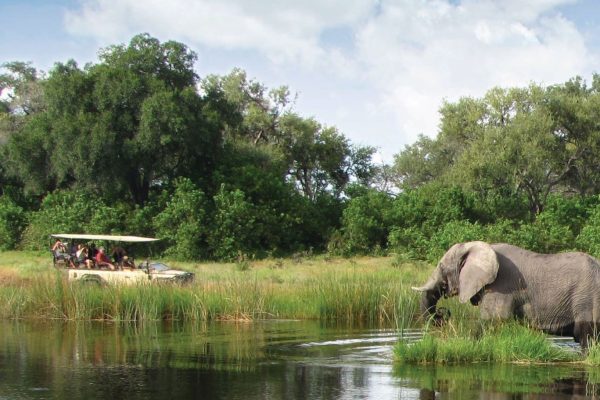
Green Season Safari
A green season safari is a safari during the wet or “low” season in Africa, typically from November to May in southern Africa and around November to December and April to May in east Africa. It is characterized by lush, green landscapes, fewer tourists, and lower prices. While the dense vegetation can make some animals harder to spot, this season is ideal for photographers, birdwatchers, and those seeking value and a more intimate experience, as many animals give birth during this time.
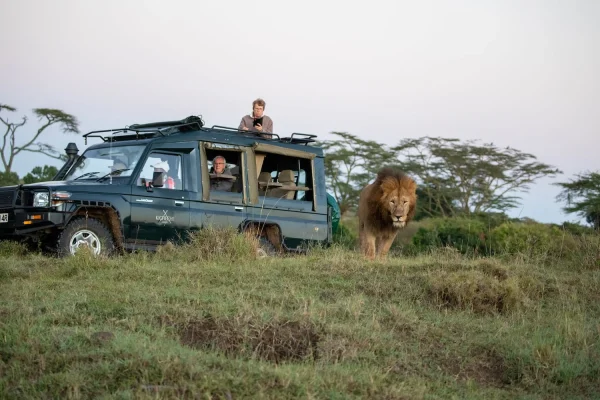
Shoulder Season Safaris
Shoulder season safaris are trips taken during the transitional periods between peak and low seasons, typically spring (April-May) and fall (September-October) in Africa. These times offer a great balance of benefits, including lower prices, fewer crowds, and good wildlife viewing conditions as the bush is not as dense, though some animals may be harder to spot than during peak dry seasons. It’s often considered the “sweet spot” for travelers.
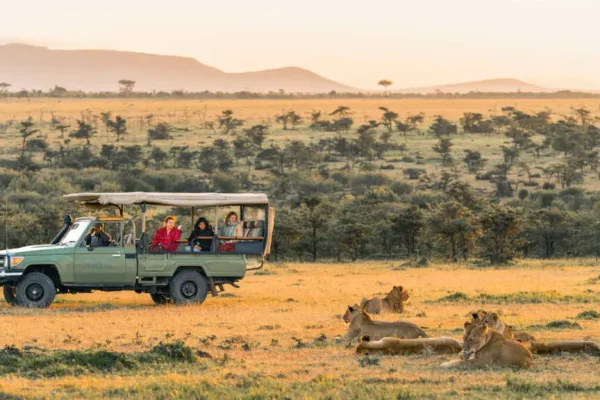
High Season
High season for African safaris is typically June through September, coinciding with the dry season in East and Southern Africa, which offers the best wildlife viewing as animals congregate around water sources. During this time, you can expect cooler, dry weather, but also higher prices and larger crowds. The peak season for African safaris is generally from June to October, the dry season, when wildlife is easier to spot as it congregates around water sources and vegetation is less dense.
When You Can See the Great Migration
Being in the proper spot at the right time is all that’s needed—the big migration is constantly happening somewhere! Half a million calves are born in the southern Serengeti’s short grass plains between January and March.
Approximately two million zebras, gazelles, and wildebeests traverse the western Serengeti in the north from April to June. The crocodile-infested Grumeti River is a daunting obstacle that many must overcome.
From July to September, a huge number of them make the journey to the northern Serengeti and then into Kenya’s Masai Mara. Between October and December, they progressively depart the Mara in order to return southward across the Serengeti.
You may observe the migration and a plethora of other animals without having to worry about being too near to other tourists because we are experts at locating accommodations that suit your needs. Regardless of the season you want, we are also familiar with additional locations in the area that might enhance your magnificent migration safari.
The Worst/Best Time to Visit Africa
1. Best Time to Visit Rwanda
The best time to visit Rwanda is during the dry seasons from June to September and December to February for ideal wildlife viewing and easier trekking conditions, particularly for mountain gorillas. The wet seasons, from March to May and October to November, are better for birdwatching and offer lush landscapes, though trekking can be more challenging due to mud.
2. Best Time to Visit Namibia
The best time to visit Namibia depends on your interests, but May to October (the dry season) is ideal for wildlife viewing as animals congregate around water sources. For a combination of good weather, fewer crowds, and vibrant green landscapes, consider the shoulder months of April, October, and November. The wet season (November to April) is best for birdwatching and spotting newborn animals but involves higher temperatures and can bring heavy rains.
3. Best Time to Visit Uganda
The best time to visit Uganda is during the dry seasons, from December to February and June to August, which offer the most favorable conditions for game viewing, gorilla trekking, and hiking. During these months, there is less rainfall, roads and trails are more accessible, and wildlife is often easier to spot.
4. Best Time to Visit Kenya
The best time to visit Kenya for safari and clear, dry weather is during the dry seasons from July to October (long dry season) and January to February (short dry season). The long dry season is ideal for witnessing the Great Migration, while the short dry season is also popular, with fewer tourists and good wildlife viewing conditions. The rainy seasons (March-May and November-December) offer lush landscapes and lower prices but can make travel and game viewing more difficult.
5. Best Time to Visit Burundi
The best time to visit Burundi is during the dry seasons, which are from June to August and December to February. The period from June to August is particularly popular because of its dry, sunny, and pleasant weather, ideal for outdoor activities. The rainy seasons are from September to November and February to May.
6. Best time to visit Seychelles
The best time to visit the Seychelles is typically from April to May and October to November, as these are transitional periods with calmer, drier weather. The dry season from May to September is cooler and sunny, ideal for outdoor activities, while the wet season from November to March is hotter and more humid with heavier rainfall, though the islands are lush and the weather is still enjoyable.
7. Best Time to Visit Tanzania And Zanzibar
The best time to visit both Tanzania and Zanzibar is during the long dry season from June to October, offering excellent wildlife viewing and sunny, ideal beach weather. For fewer crowds and lower prices, consider the shoulder seasons, particularly November and the first half of December when the ‘short rains’ are typically brief and the waters are still warm, or January and February, which have sunny, dry conditions for the most part. Avoid the peak of the rainy season from March to May.
8. Best Time to Visit Congo
The best time to visit Congo (either the Democratic Republic of Congo or the Republic of Congo) is generally during the long dry season, from May to September, which offers cooler, less humid weather and is ideal for outdoor activities and wildlife viewing. The driest months are often July and August. A shorter dry season also occurs in January and February, which can be a good time for travel, though it’s important to be prepared for the possibility of rain, as Congo is a rainforest country.
When You Don’t Have a Choice
Your travel window can be dictated by circumstances at times. Tell us when you’re available and what you hope to accomplish if that’s the case. We would appreciate it if you could include details regarding your preferred lodging, your level of activity, the people in your group, and any specific animals you would like to see.
Whenever you are able to go, we can utilise our expertise to design a custom holiday just for you, making it a once in a lifetime experience. You will be astounded by the holiday possibilities in Africa due to its immense size and complexity.
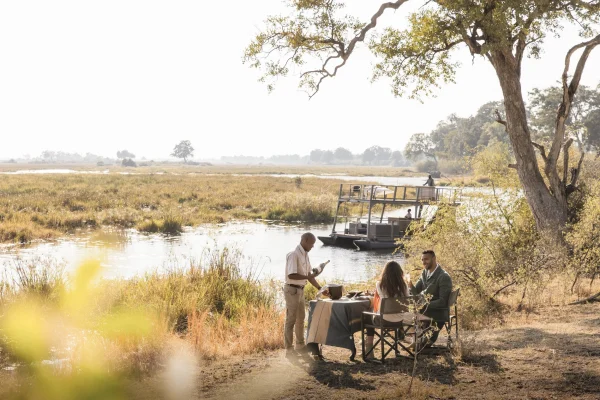
A Last Minute Safari
We can arrange for a professional to put everything on hold for just 24 hours so you can plan, discuss, and book a fantastic vacation. There are hundreds of private safari camps and lodges with whom we are in constant, real-time contact. Call us if you require a safari at the last minute.
We guarantee that it will be meticulously planned according to our normal high standards. We do put in a lot of extra hours when booking at the last minute. Please don’t ask too many businesses to act on your behalf, and be as decisive as possible. The booking process becomes more complicated as a result, which is inefficient and can disrupt the holiday’s seamless operation.
School Holiday Safaris
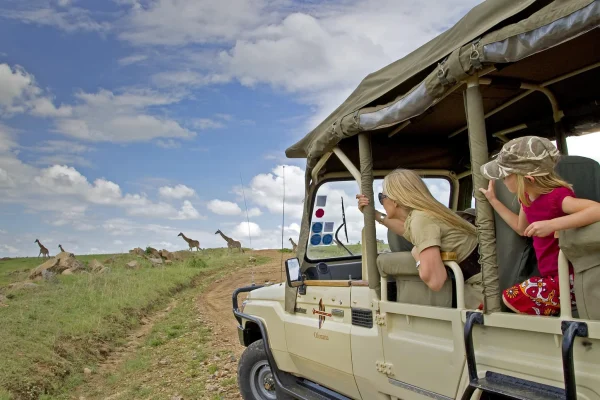
The most common times to plan a family safari are around the summer vacation, Christmas, Easter, or spring break. Good news! By considering seasonal animal movements and climatic factors, we can craft tailor-made great safaris during various times of year.
Additionally, we can maximise the shorter half-term breaks. Our savvy logistics allow us to take you on safari the very first morning of your arrival, thanks to the short time difference between Europe and many African destinations, direct flights, and other convenient factors.
We also have great options for families going from further afield, so there’s no need to worry.
The Worst/Best Time to Visit Africa: Month by Month
The best time to visit Africa varies by destination, but a general guideline is June to October for safaris in East and Southern Africa due to dry conditions that make wildlife easier to spot. The period from November to April is often ideal for beach holidays in coastal areas like Zanzibar and Cape Town. For a month-by-month breakdown: June to August is peak safari season in many regions, September and October offer great game viewing with fewer crowds, and January and February are ideal for seeing newborn animals in East Africa.
Visit Africa In January: Where to Go. Things to Do
In Southern Africa, January is the height of summer. The Cape, Winelands, and Garden Route may look forward to beautiful weather as a result. Lighter rains fall in the west (Namibia and Botswana) and heavier rains fall in the east (Zambia, the Kruger, and Mozambique) during the summer months north of the Cape. Get in touch with us since even with these price cuts, you can still have amazing safaris. The weather and wildlife viewing opportunities are top-notch all the way through Northern Tanzania, Uganda, and Kenya.
Visit Africa In February: Where to Go. Things to Do
400,000 wildebeest calves are born in a few tumultuous weeks, causing chaos in the Serengeti. After that, the Great Migration begins. As on Zanzibar, the weather is perfect across all of Kenya, including the Serengeti, Ngorongoro, Masai Mara, and the entire country. Go on a budget safari in the Okavango Delta and witness the magnificent zebra migration that thunderstorms in the dry Makgadigadi Pans may bring. Why not spend your last days on vacation in beautiful Cape Town?
Visit Africa In March: Where to Go. Things to Do
The Cape’s rich harvests and vibrant autumn foliage make it a popular tourist destination. In Namibia, you can find low season pricing all year round. The desert has been covered in shimmering grasses due to the scant summer rains. Make the most of your time in Damaraland to observe desert elephants and the Skeleton Coast. Two million Serengeti wildebeests, zebras, and gazelles are making their way north, towards the Grumeti River and its terrifying crocodiles.
Visit Africa In April: Where to Go. Things to Do
For the best wildlife viewing, head south of the border into Tanzania, Uganda, and Kenya, where the primary rains are pouring. Safaris in the Okavango delta, the Kalahari desert, and Tswalu, South Africa, offer breathtaking views of Victoria Falls and other natural wonders. The weather at the Cape continues to be pleasant, so you might want to consider visiting during this less busy season. The Drakensberg Mountains and the sites of the Boer and Zulu wars in KwaZulu Natal are especially picturesque in this month, making it an ideal time to visit.
Visit Africa In May: Where to Go. Things to Do
While the East African rains persist, viewing the mountain gorillas in Uganda and Rwanda is a rewarding experience year-round. You may still enjoy great game viewing in the Serengeti and Kenya at this less busy time of year, and prices in Tanzania and Kenya are lower. Spend a week on the island of Mauritius or the warm Seychelles and combine it with your safari. Midway through the year, several destinations offer midseason discounts, making it an ideal time to visit the Okavango Delta, the Kalahari, and Namibia.
Visit Africa In June: Where to Go. Things to Do
Through the scenic Western Corridor and into the Northern Serengeti, the Great Migration keeps moving relentlessly. Learn about the groundbreaking work that Kenya’s private reserves are doing to protect rhinos and other endangered species. If you want to see snow on Kilimanjaro, try going on a horseback safari with some giraffe. The Okavango delta and Namibia remain prime viewing locations for wildlife, while the Luangwa valley’s charming bushcamps are now welcoming guests.
Visit Africa In July: Where to Go. Things to Do
No matter where you are in Africa, you’ll likely have dry weather and perfect safari conditions. Water levels in the Okavango delta are rising as the yearly “flood” makes its way there, and in Northern Botswana, Hwange, and the Etosha Pan, huge herds of elephants and plains wildlife are congregating due to decreasing groundwater. Combine a thrilling fly-in safari to Southern Tanzania’s Ruaha, Katavi, and the Selous with chimpanzee tracking by the secluded Lake Tanganyika.
Visit Africa In August: Where to Go. Things to Do
It is now the perfect time to take the family on a safari, and the best part is that weather-wise, Africa is still a fantastic safari destination. Adrenaline seekers can enjoy the thrill of white-water rafting or canoeing down the Zambezi River and the excitement of hiking to see lions and elephants in the South Luangwa valley of Zambia. On the Kenyan private reserve of Loisaba, younger children can learn the ways of the Masai warrior. From Elsa’s Kopje to Mkombe’s Serengeti private house, we know all the best spots with wonderful family accommodation.
Visit Africa In September: Where to Go. Things to Do
During the Great Migration, which includes gazelles, wildebeests, and zebras, the Masai Mara’s big cats are constantly on the move across the plains. September is the best time to go on a safari in Africa, whether you’re in Etosha, where you can see rhinoceros and other plains animals, or Mana Pools, a World Heritage Site where you can explore by boat, canoe, car, or foot. Exciting safaris, opportunities to learn about Zulu culture, and quiet beaches are all part of what KwaZulu Natal has to offer.
Visit Africa In October: Where to Go. Things to Do
As temperatures rise across Africa and the continent experiences months of widespread drought, wildlife congregates in ever-greater numbers around groundwater sources, making this a really unforgettable time to go on a safari. In the Lower Zambezi, elephants congregate at Chiawa and Sausage Tree camps to drink and swim in the Zambezi River. The Selous, Mahale, and Tarangire National Parks are all in their prime. Mauritius, the beautiful Seychelles, and Lake Malawi are all best experienced during this period as well.
Visit Africa In November: Where to Go. Things to Do
Thundershowers create excitement over Central and East Africa. Wildebeest migrate across Zambia’s remote Liuwa plains, as 100,000 elephant across Botswana long for the first showers to restore groundwater from Savuti to the Kalahari. The major wildebeest migration, meantime, makes its way south through the Serengeti’s eastern section, passing near Ngorongoro, a location that offers some very breathtaking shooting opportunities during this time of year. Spring has arrived in the Cape further south.
Visit Africa In December: Where to Go. Things to Do
With summer officially here, it’s best to plan ahead for Christmas travel, particularly to popular destinations like Cape Town, the Winelands, and the Garden Route. Add a malaria-free safari in the Northern Cape or the Eastern Cape to your family vacation for the icing on the cake. You can see all five of the Big Five. Northern Tanzania, Kenya, and Uganda offer exceptional safari conditions, ranging from the Bwindi Impenetrable Forest—home to the mountain gorilla—to spectacular private reserves like Borana.