
Worst/Best Time to Visit Kenya 2027: Month By Month Guide
The worst/best time to visit Kenya for a classic safari and clear beach weather is during the dry season from June to October, which perfectly aligns with the iconic Great Wildebeest Migration in the Maasai Mara. Another phenomenal window is the shorter dry spell from January to February, which offers excellent wildlife visibility and warm weather with smaller crowds.
The worst/best time to visit Kenya’s beaches is from January to March and July to October, when the weather is hot, sunny, and mostly dry.
Worst/Best Time to Visit Kenya
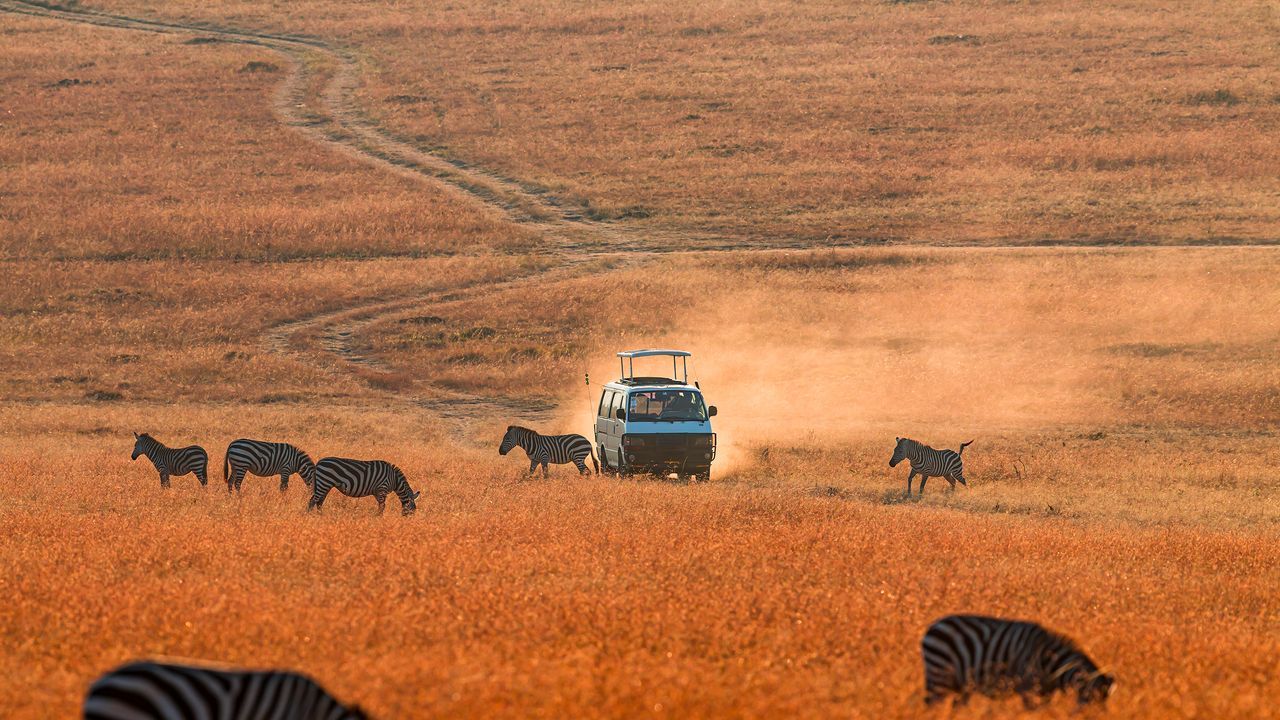
The Peak Dry Season: June to October
This is widely considered the prime window for traveling through Kenya.
The Great Migration: Millions of wildebeest and zebras arrive from the Serengeti into the Maasai Mara starting in late July, making August and September peak months for witnessing dramatic river crossings.
Optimal Wildlife Viewing: Because rainfall is scarce, the bush thins out, and animals naturally congregate around remaining waterholes, making them much easier to spot.
Ideal Beach Weather: The coastal spots like Diani Beach enjoy stable temperatures, lower humidity, and calm seas.
The Trade-off: This is the most expensive and crowded time of year; safari lodges charge peak season rates and popular parks see heavy vehicle traffic.
The Shorter Dry Window: January to February
If you want great weather without the peak migration prices, this is a top-tier alternative.
The Calving Season: Many herbivores give birth during this time. You will see an abundance of baby animals on the savannah, which also draws high predator activity.
Great Visibility: Like the summer months, the lack of heavy rain keeps the grass short and forces animals toward major water sources.
A Clear Sky Benefit: This period features the warmest daytime temperatures of the year and crystal-clear skies, which is perfect for photography and trekking.
The Green & Rainy Seasons: March to May & November to December
Kenya experiences two distinct rainy periods that cater well to budget-conscious travelers and photography enthusiasts.
The Short Rains (November to December): Showers usually fall as brief afternoon storms rather than full-day washouts. The landscape turns a vibrant emerald green, migratory birds arrive, and crowds drop off significantly right before the Christmas holidays.
The Long Rains (March to May): This is the wettest period of the year. Heavy downpours can make some dirt tracks impassable, and a selection of remote lodges close down completely. However, luxury safari operators slice their rates by 30% to 50%, offering incredible value if you don’t mind navigating the weather.
Best Timing by Travel Activity
Depending on your specific goals, your ideal travel dates may shift slightly:
Wildebeest River Crossings: July to September : Herds actively navigate the crocodile-infested Mara River.
Beach & Scuba Holidays: October to March: Warmest ocean temperatures, great underwater visibility, and steady coastal winds.
Hiking Mount Kenya: January to February / September: Driest and safest windows to ascend the peaks with minimal mud and clear views.
Birdwatching Safaris: November to April: Thousands of migratory bird species arrive from Europe and North Africa.