
Luxury Kenya Birding Safaris | Bird-watching Tours & Destinations
Kenya offers many excellent birding safaris, with popular destinations including the Masai Mara, Lake Nakuru National Park, Samburu National Reserve, and Kakamega Forest. These locations provide diverse birdlife, from the flamingos of Lake Nakuru to the raptors and endemic species of Kakamega Forest and the Mara’s over 500 species. Kenya Birding Safaris can range from day trips to multi-day adventures, combining birdwatching with wildlife viewing.
Kenya Birding Safaris
Welcome to Kenya! This country is one of the most fascinating places on Earth to see birds, large animals, and, of course, all the little creatures. You may view 450 to 750 different bird species on a three-week birding tour of Kenya. We schedule our tours to coincide with the wildebeest migration, when most of the migrants aren’t there, but we still manage to see a tonne of birds.
While you’re in Kenya on a birding safari, you can see a plethora of animals, including lions, leopards, cheetahs, blue wildebeests (during their migration through the Masai Mara if your tour coincides with when they haven’t crossed into the Serengeti from Tanzania), giraffes, plains zebras, hippos, and more.
Kenya experiences fast habitat change. Birding in a semi-arid area with African megafauna and bustards, an evergreen Afro-montane forest with the scarlet wings of an otherwise mostly bright green turaco adding vivid colour to the scene, and a chilly highland grassland looking for Sharpe’s Longclaw and Aberdare Cisticola can all be accomplished in the span of one morning due to how compact everything is. You have a better chance of seeing Grey Parrot on our birding tours in West Africa and Uganda, but you may still see Turner’s Eremomela, gorgeous wattle-eyes, Great Blue Turaco, and more in Kenya’s renowned Kakamega Forest. The Great Rift Valley Lakes, which are teeming with flamingos and known for their hyper-saline conditions, will also be on our itinerary.
These include Lake Naivasha, which is home to the world-renown Elsamere Conservation Centre and Elsamere Lodge, as well as Lakes Nakuru, Baringo, Bogoria, and others. In the magnificent country of Kenya, you will observe an abundance of birds.
Kenya Birding Safaris Packages
Kenya offers a wide range of birding safari packages, from short trips to extensive 23-day tours, with costs varying based on duration and luxury level. Popular destinations for these safaris include Lake Nakuru National Park, Samburu National Reserve, and the Maasai Mara, known for their diverse birdlife. Packages typically include accommodations and guided tours, with options to suit different budgets.
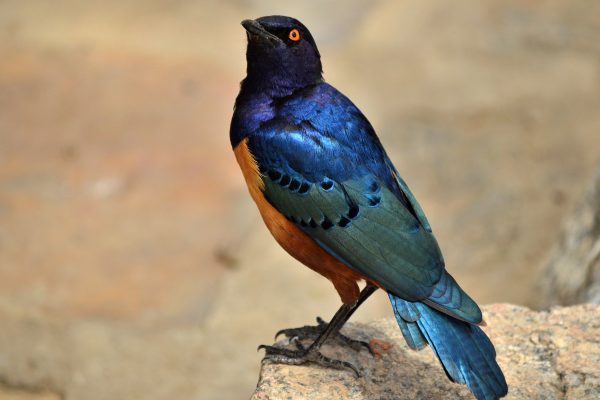
10 Days Kenya Birding Safari
Ten Days Kenya Birding Safari has been designed to allow you to enjoy top Birding and Big Game watching in Kenya, while at the same time making magical photographs. In this Ten Days Kenya Birding photography safari, the tour pace is slow to allow enough time for great photo opportunities. We shall maximize mornings and afternoons for best light conditions, and only travel during the hot part of the day.
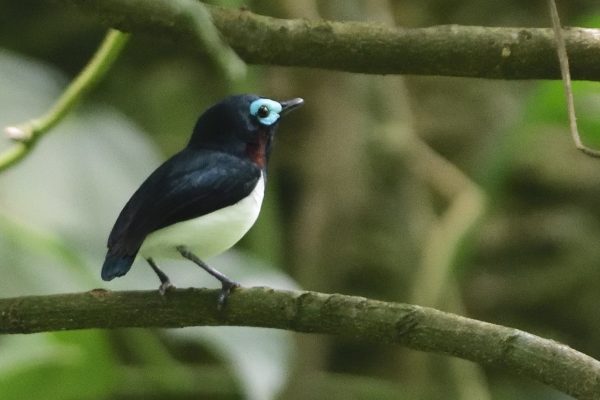
11 Days Kenya Birding Safari
An 11-day Kenya birding tour typically includes visits to key locations like Samburu National Reserve, Lake Nakuru, and the Masai Mara, often focusing on birdlife in areas like the Rift Valley lakes. Itineraries can vary, with some options focusing more on western Kenya and areas like Kakamega Forest and Lake Victoria. You can also find itineraries that combine birding with other activities, such as wildlife safaris or beach holidays.
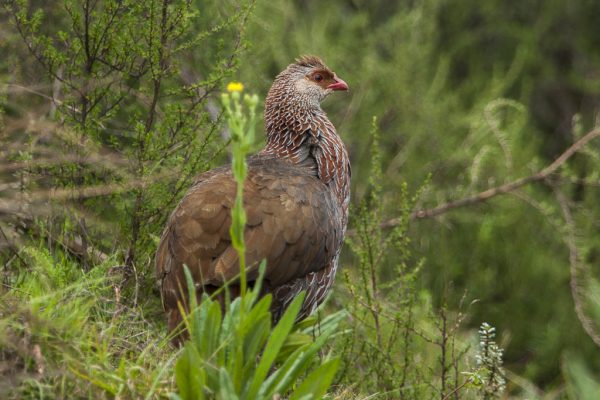
15 Days Kenya Birding Tour
A 15-day Kenya birding tour typically includes visits to various habitats like forests, lakes, and national parks to see a diverse range of species. Common itineraries feature locations such as Amboseli, Samburu, Lake Naivasha, Lake Nakuru, Lake Baringo, and the Masai Mara, often starting and ending in Nairobi. Activities will involve a mix of birding and game drives, and the best time to go is generally during the drier.
Why Birding in Kenya
Only 15 nations in the world have more than 1000 bird species, and Kenya is one of them. Kenya really has 1,154 species that have been reported, which places it third in Africa behind Tanzania and the inhospitable Democratic Republic of the Congo.
Kenya has a large variety of bird species because of its diverse geography. Kenya’s physical variances result in a diversity of landscapes and climates, rising from sea level to about 1500 meters (approximately 4921 feet) before plunging into the Great Rift Valley. In addition to the open savannah grasslands of the Masai Mara, the coastal woods of Arabuko-Sokoke, mangrove swamps, wetland areas, and lakes, these diversified biomes also include the mountain habitats of Mt. Kenya and more dry desert scrub to the north in Samburu and surrounding Lake Turkana.
Kenya Birding
It is possible to think about Kenya as a mosaic of different environments. These abundant biomes provide an abundance of food that can sustain a sizable avifauna (bird) population. Over 1100 species have been recorded in Kenya; these include year-round residents, indigenous birds, and transient species.
Kenya’s migratory bird species
The Palearctic migrants and the intra-African migrants are the two groups of migratory bird species found in Kenya. Every year, migratory birds from the Palearctic fly into Kenya from Europe and Asia. Birds that move exclusively within Africa are called intra-African migrants. Between roughly November and April, both flocks of migratory birds stop in Kenya.
Of the more than 1100 birds that can be seen in Kenya, 11 are endemic, 800 or more are year-round inhabitants, 170 are migrants from Europe and Asia, and about 60 come from inside Africa. The sought-after endemic and near-endemic species can typically be located with a little luck. Around September, the Palearctic Migrants arrive, and they stay until April. Kenya is one of the top birding destinations in the world, so it should come as no surprise.
The overwhelming megafauna that one must navigate through in order to see the birds is the sole negative to birding in Kenya. A variety of African safari creatures, including elephants, lions, giraffes, foxes, servals, eland, buffalo, and others, can prove to be a major distraction.
Kenya Birds Big Day
In terms of the variety of species seen in a single day, Kenya is third in the world. Teams of birders went out to count as many birds as they could in a 24-hour period during what is known as “a big day” in the birding community. From 1986 to 2014, Kenya held the record for the most bird species seen in a 24-hour period (342 species)!
Best time for birding in Kenya
The best time for birding in Kenya is generally from December to April, when migratory birds from Europe and North Africa are present, and resident birds are in their breeding plumage. However, different times of the year are optimal for different species and experiences. The September to April period is ideal for spotting a wide variety of birds, including the Great White Pelican. For a specific focus on certain species, November is excellent for migratory bee-eaters, while February to early April is ideal for storks.
Kenya has a fantastic bird population all year long. Avid birders should go between November and April when both the Palaearctic and intra-African migrants are in the Rift Valley, which is a haven for safaris, and along the Kenyan coast. Local bishops and weavers will be at their most colorful in breeding plumage from June through July. The dry season (safari high season) is the best time to combine an African wildlife safari with a birding excursion.
Kenya Birding Safari Checklist
A typical Kenya safari and a birding safari are very similar. It’s crucial to pack wisely, taking into account the weather and the baggage allowance.
- Comfortable, natural-colored clothes is vital. Avoid using bold colors, black, and white. Loud colors during the daytime scare animals and attract insects, whereas black gets heated at night and attracts mosquitoes. White also gets soiled rapidly.
- If you aren’t going on any hikes, you must wear comfortable walking shoes. Running shoes or sneakers should be suitable for light exploration and walking.
- Sunscreen and insect repellent are essential additions, especially if you intend to spend a lot of time in the jungle searching for elusive Kenyan species.
- Binoculars, a spotting telescope, a decent bird book, and a sense of humor are all necessary pieces of equipment for birding.
- Many birders prefer to locate the species on their own. Finding a knowledgeable local bird guide who can show me about and help me understand a place better is something I personally support. It’s a terrific way to give back to the neighborhood and learn about topics you never would have thought of, even if it’s just for the first day.
Kenya’s Best Birding Destinations
Top birding destinations in Kenya include Lake Nakuru National Park for its flamingos and wetland species, Kakamega Forest for its unique Central African species, and Arabuko Sokoke Forest for rare coastal endemics. Other excellent locations are Lake Naivasha, Masai Mara National Reserve, and Samburu National Reserve, each offering diverse birdlife from raptors to dry-country specialists.
The Best Bird Watching Spots in Kenya:
Amboseli National Park, Arabuko Sokoke Forest Reserve, Buffalo Springs National Reserve, Kakamega Forest National Reserve, Lake Magadi, Lake Nakuru National Park, Lake Baringo, Lake Bogoria National Reserve, Masai Mara National Reserve, Mida Creek, Mt. Kenya Forest Reserve, Nairobi National Park, Lake Naivasha, Nyahururu, Saiwa Swamp National Park, Samburu National Park, Shaba National Reserve, Taita Hills Wildlife Sanctuary, Tsavo West National Park, Tsavo East National Park