
Mgahinga Gorilla National Park Uganda Safari Guide 2027
Mgahinga Gorilla National Park Uganda | Gorillas, Golden Monkeys, Hiking & More. The morning fog clings to the volcanic terrain, weaving its way between the weathered peaks of the Virunga Mountains. Located in the Virunga Conservation Area, Mgahinga Gorilla National Park is a hidden gem in southwestern Uganda. Despite its small size (only 34 square kilometres), this national park is home to an incredible variety of plant and animal life. Extending well beyond the borders of Uganda, into Rwanda and the Democratic Republic of the Congo, towering volcanoes emerge from thick forests, and expansive clearings provide views. With each stride, you’ll enter a jungle where golden monkeys swoop between bamboo groves and mountain gorillas live free.
The Mgahinga Gorilla National Park
There is a diverse environment at the park, which includes the world-famous primate inhabitants. As they scuttle through the underbrush, forest elephants leave behind broad tracks. You can see duiker and bushbuck darting between trees, and if you’re fortunate, you can see a leopard silhouetted in the dusk.
In addition to a plethora of butterfly species, the volcanic slopes are home to several tiny mammals and reptiles. There are always animals around, or at least signs of them. From the damp forest bottom to the drier bamboo zones and windswept hills above, the weather varies dramatically as one ascends in elevation.
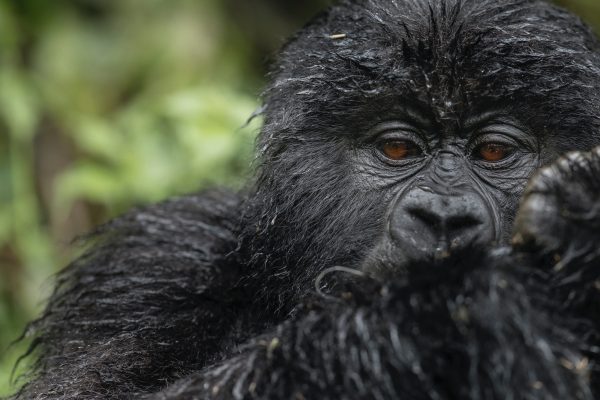
Bwindi vs Mgahinga vs Volcanoes
Bwindi (Uganda) offers a rugged, budget-friendly, dense jungle experience with 26+ gorilla families, while Mgahinga (Uganda) provides easier treks in bamboo forests. Volcanoes National Park (Rwanda) is a premium, high-end option ($1,500 permit) with easier, open-terrain tracking and 12+ groups. Choose Bwindi for dense, adventurous, and affordable trekking; choose Volcanoes for luxury, accessibility, and clearer photography.
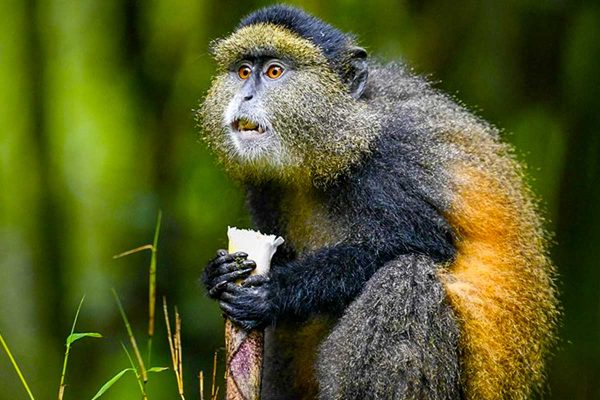
Mgahinga Gorilla And Golden Monkey
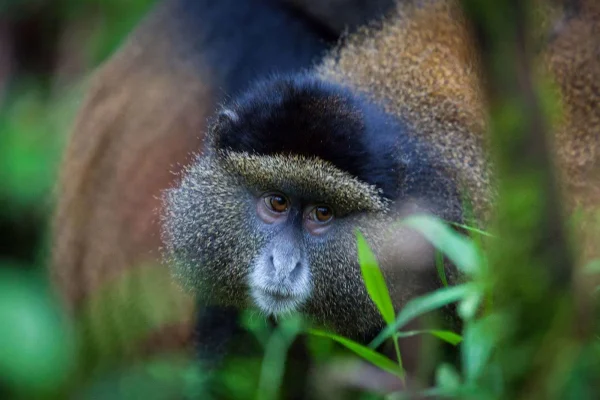
Mgahinga Gorilla National Park in Uganda, known as where “Gold meets Silver,” is the only park in the country where endangered golden monkeys and mountain gorillas coexist. Visitors can trek both species in this Virunga range park, offering a unique opportunity to see vibrant,, playful golden monkeys in bamboo forests alongside massive gorillas, with the best trekking conditions in the dry seasons of June-Sept or Dec-Feb.
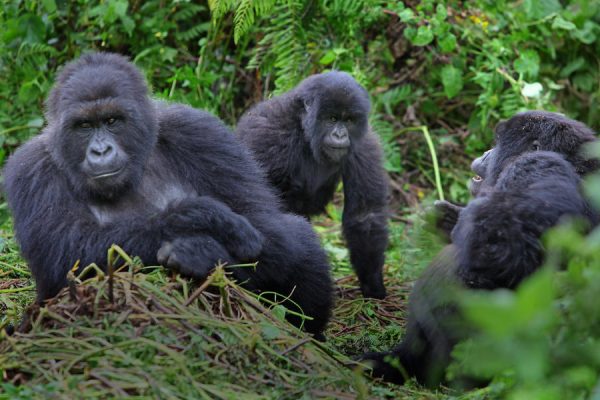
3 Days Mgahinga Gorilla Trekking
A 3-day Mgahinga gorilla trekking safari in southwest Uganda offers an intimate, off-the-beaten-path encounter with endangered mountain gorillas in the Virunga Volcanoes, usually featuring a 1-hour viewing experience, a Batwa cultural trail, and optional golden monkey tracking. It typically starts with travel from Entebbe/Kampala or Kigali, followed by trekking on day two.
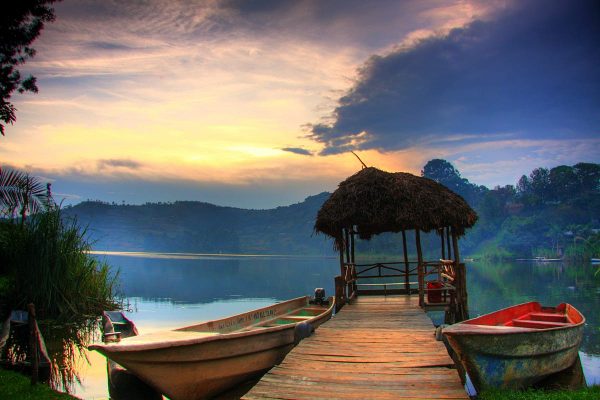
5-Day Mgahinga And Lake Bunyonyi
A 5-day safari combining Mgahinga Gorilla National Park and Lake Bunyonyi offers a premier Uganda experience, pairing intense primate trekking with relaxing, scenic lake views. Tourists typically track endangered mountain gorillas (Nyakagezi family) and golden monkeys in the Virunga volcanoes before visiting nearby Lake Bunyonyi, Africa’s second-deepest lake known for its 29 islands.
7-Day Gorilla And Golden Monkey Trekking
A 7-day Uganda safari focusing on gorilla and golden monkey trekking, typically based in Mgahinga Gorilla National Park and Bwindi Impenetrable National Park, offers a premier primate experience. This itinerary usually includes tracking mountain gorillas, trekking rare golden monkeys in bamboo forests, and visiting the Batwa community, with arrivals/departures via Entebbe.
Reasons to visit Mgahinga Gorilla National Park
1. Gorilla Trekking
Gorilla Trekking in Uganda isn’t complete without seeing the mountain gorillas who call Mgahinga National Park home. It is easier to see the gorillas through the trees here since the forest is less dense than at Bwindi Impenetrable National Park. Due to the close proximity of the two parks, many tourists combine a trek in Mgahinga with one in Bwindi. There will be two opportunities to see these extraordinary primates, and each time you will get to explore a different landscape. When deciding between Rwanda and Uganda for gorilla trekking, read more about it on our blog.
2. Golden Monkey Trekking
Mgahinga is also notable for its golden monkey population. They are unique to the bamboo woods of the Virunga region and are known for their vibrant and colourful fur. The guided walk to see them is an exciting adventure, filled with the rustle of leaves and the dazzling golden light as they soar across the sky.
3. Bird Watching
The regal sunbird and the uncommon Rwenzori turaco are among the more than 180 bird species that call this area home. Walking in the early morning, when the woodland is just starting to awaken, is when you’re most likely to see them. Safaris dedicated to birdwatching provide a once-in-a-lifetime chance to see these animals in their natural habitat. If you want to hear the many birdcalls that reverberate through the trees, you should bring binoculars.
4. Meet the Batwa People
Meeting the indigenous Batwa people—who live in the forest and have a strong bond to the land—is a great way to gain insight into their culture and history. Learn about their customs, from creating fire to tales of surviving in the woods, from the people themselves.
5. Mountain Trekking
The park is guarded by the three volcanic peaks of Mgahinga: Mount Gahinga, Mount Sabyinyo, and Mount Muhabura. They all provide unique obstacles. Climbing Gahinga’s peak is less challenging; it entails navigating heather and bamboo before arriving at a crater swamp. The steep ridges and deep valleys of Sabyinyo make it a more difficult hike, but the breathtaking views of Rwanda, Uganda, and the Democratic Republic of the Congo from the summit of Muhabura are worth the effort for those who are physically capable. The hikes are challenging but rewarding, particularly Sabyinyo (3,669m) and Muhabura (4,127m).
6. Ntebeko Visitor Centre
The visitor Centre at Ntebeko is the trailhead for nature walks, volcano climbs, and golden monkey and gorilla trekking, Exhibits inside the building explore themes relating to the Virunga environment. A trail along the adjacent drystone Buffalo Wall (built to keep animals out of neighboring farmland) provides good birding and views of the park’s dramatic volcanic backdrop.
7. Volcano Climbing
Mgahinga Gorilla National Park rises upwards to three of the Virunga’s six volcanic summits, all of which can be climbed in a day. Views from peaks – into Rwanda and Congo, and towards the rift valley and Bwindi Impenetrable Forest – More than justify the effort. The Park’s highest peak is Muhavura. The ascent passes through montane forest, bamboo stands, and heather groves, before encountering bizarre forms of giant lobelias and groundsels at the summit. The 4,127m summit, which is adorned by a crystal clear crater lake, 40m n diameter, commands panoramic views along the length of the Virunga chain.
Mount Gahinga (3,474m) is the smallest of the Virunga Volcanoes and its bamboo-covered slopes rise up to a lush, swamp-filled crater, about 180m wide. The jagged crew of Sabinyo bears several summits, the highest of which provides the rare privilege of standing 3,669m high whilst in 3 countries – Uganda, Rwanda, and DRC – at once.
8. The Batwa Trail
For generations, Mgahinga’s dense forests were home to the indigenous Batwa Pygmies, hunter-gatherers, and warriors, who depended on the forest for shelter, food, and medicine. Today, Batwa guides lead visitors through the lower slopes of the forests, introducing them to their old home and demonstrating the skills they used to survive in it. The highlight of the Batwa Trail is the descent into the Garama Cave for a subterranean performance of music and dance.
Experience Mgahinga Gorilla National Park
At just 33.7 km2, it is the tiniest national park in Uganda.
The local term for the mounds of volcanic stones that were excavated from farms near the volcanoes—”Gahinga”—is the inspiration for the park’s name.
The region was gazetted as a National Park in 1991 after the British government designated it as a wildlife sanctuary in 1930.
One transboundary gorilla group is accustomed to Mgahinga.
On an intriguing trip with a Batwa guide, guests may discover the secrets of the forest and witness firsthand how the Batwa managed to be self-sufficient.
At an elevation of 2,227–4,127 meters, Mgahinga Gorilla National Park is perched high in the sky. Its deep forests are home to rare mountain gorillas, as the name suggests, and the endangered golden monkey also relies on it as a habitat.
The park holds great cultural importance, especially for the indigenous Batwa pygmies, in addition to its importance for wildlife. The “first people” of this woodland were a hunter-gatherer group, and their storied wisdom about the area is still unparalleled.
Along the border region of Uganda, Congo, and Rwanda lies the magnificent Virunga Range, the most prominent feature of which are the three extinct conical volcanoes that make up Mgahinga. The adjoining parks in these nations make up the Virunga Conservation Area, of which Mgahinga is a part. The stunning landscape is set against the dramatic backdrop of the volcanoes, whose summits offer a dramatic contrast to the varied and biologically diverse ecosystems found on their slopes.
Elephants, gigantic forest hogs, bush pigs, and bush backs are just a few of the more than seventy-six creatures that call Mgahinga home. Saddlebacks, cougars, A list of more than 180 bird species, including 14 that are unique to the Albertine Rift, such as the turaco and Kivu ground thrush.
How to Get to Mgahinga Gorilla National Park
Getting to Mgahinga is not that difficult. Travelling southwest from Kampala, the capital of Uganda, takes a whole day and takes you through the beautiful countryside of the country, where you can see the changing landscapes and rural life. There is also the option of taking a domestic flight, which departs often from Entebbe International Airport and lands at the Kisoro airfield near the park.
For visitors travelling from Bwindi Impenetrable National Park, the half-day trek between the two parks is filled with picturesque vistas. Travelling from Kigali, Rwanda is another popular alternative. It gives the shortest access, taking roughly four hours by road to reach the park.
Where is Mgahinga Gorilla National Park?
Mgahinga is within the Virunga Massif that is comprised of Virunga National Park in Congo and Volcanoes National Park in Rwanda. The Virunga massif is a chain of 8 extinct volcanoes that form the borders of these three countries and habitat to the elusive mountain gorillas. The park is situated in Kisoro district southwestern Uganda on the border of the country with Rwanda and Congo. The park can be accessed either from Uganda or Rwanda by flight or popularly by road using a 4×4 safari vehicle.
What is the best time to visit Mgahinga Gorilla National Park?
The best time to visit Mgahinga Gorilla National Park is during the dry season when the rains are less and trails less slippery. Situated in the southern corner of the country where there are two seasons in the year, the best time to visit Mgahinga National Park for Uganda gorilla safaris and other activities is during the dry season months. This is mostly during the months of June –August, and December – early February. The dry season is more recommendable because the roads are passable and the trails are not much slippery. The terrain within the park is affected by heavy rains in the rainy season and this can make access to the park difficult. However, the park is open year-round, and depending on your planned trip time you can visit the park.
Accommodation Near Mgahinga Gorilla National Park
Mount Gahinga Lodge is the most convenient place to stay near the park, as it is only a short distance from the main gate. This lodge blends eco-friendly luxury with the rustic charm of the area, drawing inspiration from traditional design and building techniques. Terraced gardens, stone walkways, and fireplaces made of volcanic rock provide a peaceful haven where guests may unwind after an exciting day. Additional lodging alternatives can be found at lodges situated on Lakes Mutanda and Bunyonyi, which are located further from the park.
Journeys You May Be Interested In
- 3 Days Chimpanzee Trekking Safari
- 3 Days Honeymoon Ngamba Tour
- 7 Days Uganda Safari
- 8 Days Uganda Safari
- 9 Days Uganda Safari
- 9 Days Rwenzori Mountains Hiking
- 10 Days Rwenzori Mountains Trekking
- 10 Days Uganda Ultimate Safari
- 10 Days Uganda Birding Safari
- 12 Days Uganda Safari
- 14 Days Uganda Birding Trip
- 14 Days Uganda Safari
- 2 Days Gorilla Trekking Uganda
- 2 Days Murchison Falls Safari
- 2 Days Lake Mburo Safari
- 2 Days Queen Elizabeth National Park
- 3 Days Gorilla Trekking Safari
- 3 Days Murchison Falls Tour
- 3 Day Uganda Gorilla trekking
- 3 Days Luxury Gorilla Trekking
- 4 Days Kidepo Safari
- 4 Days Murchison Falls Safari
- 5 Days Gorilla Trek Uganda Safari
- 6 Days Uganda Trip