
Gorilla Watching Tours in Uganda And Rwanda
Gorilla Watching tours is a Once-in-Lifetime Adventure. Go Gorilla Watching in Rwanda, Uganda. Watching Gorillas is an outdoor activity where tourists are allowed to see mountain gorillas for one hour or six hours after purchasing a gorilla trekking permit.
Gorilla watching tours, or gorilla trekking Africa, provide a distinctive opportunity to study mountain gorillas in their native environment in Africa. These excursions predominantly occur in Uganda, Rwanda, and the Democratic Republic of the Congo (DRC). Gorilla hiking necessitates permits, with costs differing by country. Uganda and Rwanda are recognized for their sophisticated tracking experiences accompanied by superior lodgings, but the DRC presents a more economical alternative inside a potentially more arduous setting.
Note: Gorilla Watching permit in Uganda is $800 and a Gorilla Habituation Permit is $1500 per person per day. Rwanda gorilla permit is $1500 per person per day and the Congo gorilla permit is $400 per person per day.
Gorilla Trekking in Uganda is best done in Bwindi National Park and Mgahinga Gorilla National Park, Gorilla trekking in Rwanda is done in Volcanoes National Park, whereas Gorilla watching in Congo is done in Virunga National Park or Kahuzi Biega National Park
Our Gorilla Watching Tours
Gorilla watching tours offer immersive treks into Central African rainforests in Uganda, Rwanda, and the DRC to see endangered mountain gorillas in their natural habitat, requiring permits and guides for hikes in parks like Bwindi or Volcanoes, combining adventure with conservation support through fees, with options ranging from budget to luxury stays. These tours often blend with other wildlife viewing, chimpanzee tracking, or cultural experiences, with dry seasons (June-Sept, Dec-Feb) preferred but rain possible year-round.
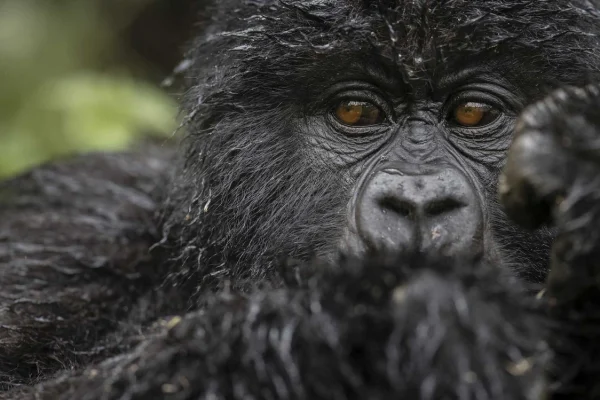
1 Day Uganda Gorilla Watching Tour
A 1-day gorilla watching trip in Uganda offers a quick, intense adventure, usually starting extremely early (3 AM) from Kigali, Rwanda, to Bwindi Impenetrable National Park or Mgahinga Gorilla National Park in Uganda for a 3-5 hour trek, allowing one hour with the gorillas, and then returning to Kigali, featuring a highlight gorilla permit (around $800 USD), transport, guide, and lunch, though it’s a very long travel day for a short time with the gorillas.
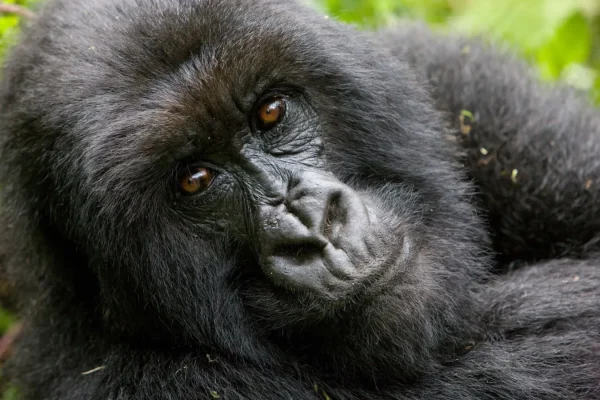
3-Day Uganda Gorilla watching from Kigali
A 3-day Bwindi gorilla trek from Kigali offers a short, intense experience to see mountain gorillas in Uganda’s Bwindi Impenetrable National Park, involving long drives from Kigali (Rwanda) to the park, a full day of trekking, and a return journey, ideal for limited time and budget, typically including permits, accommodation, meals, and transfers but excluding flights, visas, and tips.
3-Day Uganda Gorilla Watching Tour
A typical 3-day gorilla trekking itinerary in Uganda’s Bwindi Impenetrable National Park involves a full day of driving (or a short flight) to the park, the gorilla trek on the second day, and the return journey on the third day. Most tours originate from Entebbe or Kampala.
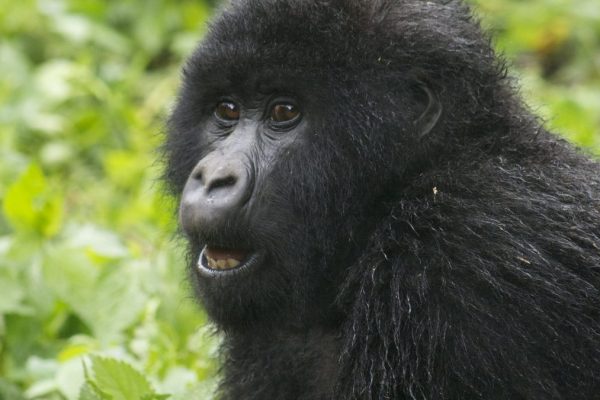
2 Days Uganda Gorilla watching
A 2-day Uganda gorilla watching itinerary is intense but possible, primarily by flying domestically within Uganda or, more commonly, by starting and ending the trip in Kigali, Rwanda, due to the significantly shorter drive to Bwindi Impenetrable National Park. A 2 Day gorilla trekking Uganda from Kigali or Kisoro is a gorilla safari adventure.
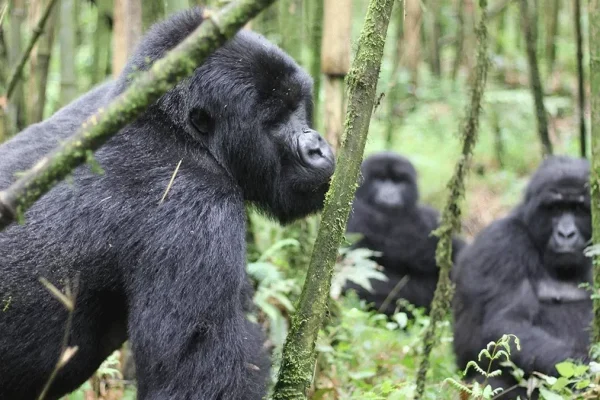
1-Day Rwanda Gorilla Watching
A 1-day gorilla trek in Rwanda offers an intense, early start from Kigali to Volcanoes National Park for a challenging hike through rainforests, culminating in a magical hour with mountain gorillas, though the trek itself can take 2-6 hours round trip; it’s physically demanding but highly rewarding, with permits costing around $1500+ and tours often including transport and guide, but not flights or visas.
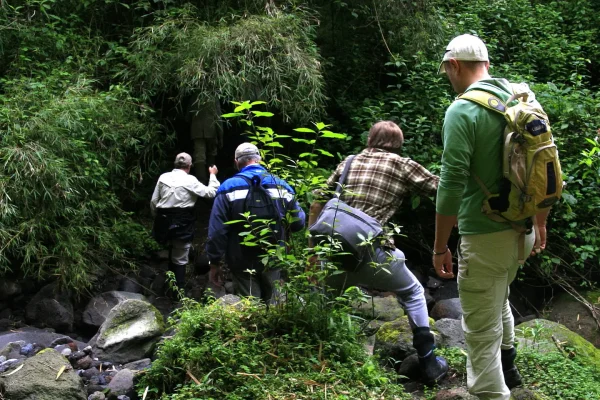
3 Day Gorilla Trekking Rwanda
A 3-day gorilla trekking tour from Kigali offers an intense but rewarding experience, starting with a transfer to Volcanoes National Park for gorilla trekking (and sometimes golden monkey tracking) on Day 2, with cultural visits like the Iby’Iwacu Cultural Village or Dian Fossey Fund campus. Day 3 involves a final activity like a city tour (including the Genocide Memorial) or more tracking before returning to Kigali.
Gorilla Watching in Uganda
Observing gorillas in Uganda, positioned ten meters from the most renowned of Africa’s creatures, the highlight of the primate expedition in the forested mountain slopes of Bwindi Impenetrable National Park will leave you exhilarated and physically challenged.
Six Persuasive Reasons to Include Gorilla Watching in Uganda on Your Travel Bucket List for Next Summer.
If you seek a distinctive and memorable experience in Africa, consider gorilla watching in Uganda. Uganda is a leader in mountain gorilla conservation, safeguarding more than half of Africa’s remaining great ape population, and provides stunning gorilla trekking experiences that merit inclusion on any traveler’s itinerary. Spending an hour in the presence of a wild mountain gorilla family is an experience that transcends mere wildlife observation from the confines of a safari vehicle. It is unsurprising that thousands of tourists converge on Uganda year for this exhilarating experience.
What are the reasons for trekking and observing gorillas in Uganda? Here are six persuasive reasons why this remarkable African jungle summer expedition deserves a place on your bucket list.
If you seek a distinctive and memorable experience in Africa, consider gorilla viewing in Uganda. Uganda is a leader in mountain gorilla conservation, safeguarding more than half of Africa’s remaining great ape population, and provides stunning gorilla trekking experiences that merit inclusion on any traveler’s itinerary. Spending an hour in the presence of a wild mountain gorilla family is an experience that transcends mere wildlife observation from the confines of a safari vehicle. It is unsurprising that thousands of tourists converge on Uganda year for this exhilarating experience.
What are the reasons for trekking and observing gorillas in Uganda? Here are six persuasive reasons why this remarkable African jungle summer expedition deserves a place on your bucket list.
1. You’ll Be Watching Half the World’s Mountain Gorillas.
Are you aware that there are slightly more than 1,000 mountain gorillas remaining globally? The gorillas are rigorously safeguarded in two places within a compact mountainous area in East Africa: the Virunga Volcano Mountains, which borders Uganda, Rwanda, and the Democratic Republic of Congo, and Uganda’s southeastern Bwindi Impenetrable National Park.
Uganda is the premier destination for observing gorillas, with more than fifty percent of the population safeguarded within its two National Parks: Bwindi Impenetrable National Park and Mgahinga Gorilla National Park. Mgahinga shares its land with Rwanda’s Volcanoes National Park and the Democratic Republic of Congo’s Virunga National Park. Bwindi Impenetrable National Park, a UNESCO World Heritage Site, safeguards not only mountain gorillas but also unspoiled virgin forest flora, primates, over 120 animal species, and several endangered creatures.
Mgahinga Gorilla National Park is another exceptional location for observing gorillas in proximity to Bwindi. The park encompasses three majestic Virunga mountains: Mount Muhabura, Mount Gahinga (the source of the park’s name), and Mount Sabyinyo. This facilitates the extension of your gorilla trip with a trekking expedition on the Virunga Volcanoes.
Mgahinga and Bwindi collectively offer 20 human-habituated gorilla family groups for tourism throughout five gorilla tracking sectors, with four situated around Bwindi Impenetrable Forest. If you seek an opportunity to hike gorillas in their native habitat, Uganda is the destination to consider.
2. You Can Contribute To Gorilla Conservation and Support Community Endowment.
Watching gorillas in Uganda is a sustainable ecotourism endeavour that significantly aids in gorilla conservation and benefits local communities. The expense of Uganda gorilla licenses, priced at $800 per individual, may appear substantial; nevertheless, the revenue is allocated for habitat conservation, gorilla health monitoring, and the establishment of a secure environment to safeguard gorillas from poachers. Mountain gorillas are an endangered species, and because to gorilla tourism, their population has risen from near extinction to slightly over 1,000 in recent decades.
3. Watching Gorillas in Uganda
In 1994, gorilla tourism was the sole means by which the Ugandan government funded the conservation of the endangered species. To prevent interference with the gorillas’ natural habitat, tourist numbers must be maintained at a sustainable level. This indicates that hikers must now undergo the hiking permission procedure to access the daily viewing, which is likewise stringently regulated.
In Uganda, the cost of a gorilla permit is $800 per individual, which is less than fifty percent of Rwanda’s fees. The economical pricing is a significant factor influencing the preference for gorilla trekking in Uganda over Rwanda. Securing your permit months in advance is essential due to the long wait of people eager to witness the tallest primate on the planet.
Expert trackers guide small groups of eight tourists per gorilla group from the departure point into the dense jungles, accompanied by two armed rangers, and allocate a minimum of one hour with the gorillas upon locating them. An alternative exists to spend a minimum of four hours with a wild gorilla family that is not entirely accustomed to humans, should you choose an adrenaline-fueled experience.
If Rwanda exceeds your budget, the significantly lower cost of the permit makes Uganda a preferable option for gorilla trekking. Additionally, you will observe Africa’s mountain gorillas in their natural environment and support their conservation initiatives. What is the delay? Secure your gorilla trekking permit immediately!
4. The gorilla watching tour is an authentic raw experience
While traversing the verdant, ruggedly cultivated hills of southern Uganda, one cannot not but be captivated by the land’s mesmerising beauty. However, one also comes to understand that reaching the mountain gorillas is not for the faint-hearted. Mountain gorillas inhabit altitudes ranging from 8,000 to 13,000 feet, and traversing the steep inclines to locate them guarantees a genuine jungle expedition. This is merely one of the several reasons to participate in the gorilla watching tour in Uganda.
For those who relish adventurous challenges, gorilla watching in Uganda offers an authentic African forest experience. The Bwindi Impenetrable Forest, as its name suggests, is accessible solely on foot. You will traverse irregular terrain in a fog-laden jungle devoid of established pathways, accompanied by a local guide who will clear your route with a machete.
Initially, it may appear to be an insurmountable task; nevertheless, when witnessing the dark figures emerging suddenly from the verdant underbrush, your ostensibly arduous expedition will illuminate the ethereal jungle ambiance. Bucket list trips epitomise the sensation of achievement and the breathtaking beauty that fosters a profound appreciation for nature in its most unrefined state.
If you seek an extraordinary adventure, visit the gorillas in Uganda. It encompasses not only observing the largest primates on the planet but also immersing oneself in the exhilaration of the African bush and admiring the splendour of this remarkable nation.
5. And More Primates Along Your Adventure
Uganda is the premier destination for primate adventures globally. It is home to two of the four big apes, chimpanzees and gorillas, as well as around a dozen additional primate species from lower on the evolutionary scale.
While trekking through the Mgahinga mountain jungles in pursuit of gorillas, you are likely to encounter the endangered golden monkeys. These diminutive, fur-covered primates, comparable in size to a two-year-old, inhabit the elevated bamboo forest regions of the park, coexisting with gorillas. monitoring golden monkeys is analogous to monitoring gorillas, however less arduous. Incorporating the golden monkey experience into your gorilla encounter in Mgahinga enhances the value of your vacation.
A leisurely nature walk in Bwindi may also acquaint you with any of the eleven primate species residing in the forest. The forest’s canopies are home to various primates, including black-and-white colobus monkeys, L’Hoest’s monkeys, De Brazza monkeys, Red-tailed monkeys, Blue monkeys, Potto, Demidoff’s Galago, Spectacled Galago, baboons, unhabituated chimpanzees, and mountain gorillas. The park provides walking excursions from 4 to 9 hours along the oldest pathways across the jungle, allowing travellers to immerse themselves in its abundant biodiversity.
Kibale Forest National Park, located farther north in southwest Uganda, is inhabited by about 1,500 chimpanzees, including numerous habituated populations. Kibale is among the premier locations in Africa for observing our closest living relatives, and most expeditions in Uganda often incorporate one or two days in this region. Kibale Forest National Park is essential for those seeking intimate encounters with chimpanzees and other primates in their natural environment.
6. Wildlife Viewing Safaris Are Excellent
Uganda provides opportunities for both primate observation and traditional African big-game safaris, presenting an additional compelling reason to trek gorillas in the country. Uganda’s safaris provide unparalleled experiences in rainforest, mountainous, and savannah environments that few other destinations can match.
Queen Elizabeth National Park, adjacent to Bwindi, is Uganda’s premier safari destination, providing exceptional wildlife viewing experiences to enhance your gorilla trekking expedition. While traversing the grasslands, one will encounter herds of elephants and buffalo, with lions readily visible as they feast on the plentiful antelopes. A boat excursion on the Kazinga Channel, which divides this exquisite park, offers not only breathtaking vistas of hippos and enormous crocodiles but also an astonishing variety of birds.
Located further north in the country are two of its largest savannah parks, Murchison Falls and Kidepo Valley National Parks, which safeguard several endemic species, including giraffes, zebras, cheetahs, wild dogs, and arid-region species such as the caracal, aardwolf, greater and lesser kudu, mountain reedbuck, and Guenther’s dik-dik.
Although gorilla trekking in Uganda is the primary adventure activity, the country offers a comprehensive and rewarding bucket list experience. The opportunity to observe large primates, including gorillas and chimpanzees, in their natural habitat, alongside a savannah game watching experience and the chance to see coveted birds such as the shoebill, constitutes a remarkable African safari experience that will inspire admiration.
Useful Information about Gorilla Watching
Learn about Silverback Gorilla
A silverback gorilla is the dominant, mature male of a gorilla group, identified by the patch of silver hair that develops on his back as he ages, symbolizing his leadership, immense strength, and role as protector, known for being powerful but generally gentle, leading his family through guidance and care, though capable of intimidating displays or violence when threatened. They are the largest primates, herbivorous, living in forested African habitats, and lead troops by directing activities, protecting members, and teaching younger gorillas.
How Many Gorillas Are Left?
There are an estimated 300,000-360,000 gorillas left in the wild, predominantly Western Lowland Gorillas, but all species are critically endangered, with numbers varying by subspecies: Western Lowlands (~300k+), Eastern Lowlands (Grauer’s, ~5k), Cross River (<300), and Mountain Gorillas (~1,000+), all facing threats like poaching, disease (Ebola), and habitat loss, though conservation shows some success for Mountain Gorillas.
What Do Gorillas Eat?
Gorillas are primarily herbivores, eating large quantities of plants like leaves, stems, shoots (especially bamboo), roots, and fruit, but their diet varies by subspecies and season, with some western gorillas occasionally consuming insects like termites and ants for protein. An adult gorilla can eat up to 40 pounds (18 kg) of vegetation daily, focusing on fibrous plants, and will also eat flowers, bark, and even soil to get nutrients like sodium.
Journeys You May Be Interested In
- 2 Days Murchison Falls Safari
- 2 Days Lake Mburo Safari
- 2 Days Queen Elizabeth National Park
- 3 Days Murchison Falls Tour
- 3 Days Honeymoon Ngamba Island Tour
- 3 Days Luxury Gorilla Trekking
- 3 Days Chimpanzee Trekking Safari
- 4 Days Kidepo Safari
- 4 Days Murchison Falls Safari
- 5 Days Gorilla Trek Uganda Safari
- Uganda Gorilla Trekking Packages
- 1 Day Kigali City Trip
- 1 Day Akagera Tour
- 1 Day Rwanda Gorilla Tour
- 2 Days Gorilla Tour Rwanda
- 2 Days Akagera National Park Safari
- 3 Days Rwanda Gorilla Safari
- 3 Days Akagera National Park Safari
- 4 Days Double Rwanda Gorilla Safari
- 4 Days Akagera National Park Safari
- 5 Days Rwanda Safari
- 6 Days Uganda Safari
- 7 Days Uganda Safari
- 8 Days Uganda Safari
- 9 Days Uganda Safari
- 9 Days Rwenzori Mountains Trekking
- 10 Days Rwenzori Mountains Trekking
- 10 Days Uganda Ultimate Safari
- 10 Days Uganda Birding Safari
- 12 Days Uganda Safari
- 14 Days Uganda Birding Safari
- 14 Days Uganda Safari
- 6 Days Rwanda Primates Safari
- 6 Days Rwanda Safari
- 7 Days Rwanda Safari
- 8 Days Rwanda Safari
- 9 Days Rwanda Safari
- 10 Days Rwanda Safari
- Gorilla Trekking in Rwanda
- Congo Gorilla Trekking
- 5 Days Congo Safari