
Kibale National Park Uganda | Safari Guide, Map & More
Kibale National Park Uganda | Chimpanzee Trekking Safaris. With the greatest diversity and quantity of primates in East Africa, Kibale Forest National Park is one of the top safari locations in Africa for chimpanzee trekking safaris. Within its 795km2 land cover, which includes the most stunning and diverse expanses of tropical forest in all of Uganda, are 13 species of primates, including chimpanzees. On the elevated Fort Portal plateau, the park’s middle and northern regions are primarily covered by forests. Kibale is the highest point in the park, rising 1590 meters above sea level at its northernmost point.
One of the greatest safari locations in Africa for tracking chimpanzees is Kibale Forest National Park in Uganda. See tips, examples of safari packages in Uganda, information on obtaining a permission to track chimpanzees, and much more.
Location of Kibale National Park
Kibale National Park is located in western Uganda, approximately 26 km southeast of the charming town of Fort Portal, one of the country’s most picturesque destinations, and 348 km (5 hours’ drive) from Kampala. Queen Elizabeth National Park, Rwenzori Mountains & Semuliki National Parks, and the Toro-Semliki Wildlife Reserve are all within a half-day’s drive from the park, which is near the tranquil Ndali Kasenda crater area.
Together, these protected areas safeguard a 180-kilometer animal migration corridor that runs from the isolated southern portion of Queen Elizabeth National Park in “Ishasha” to “Sebitoli” in northern Kibale.
Vegetation Areas in Kibale National Park
From the moist evergreen forest (wet tropical forest) along the Fort Portal plateau to the dry tropical forest (moist semi deciduous) to the woodland and savanna down the rift valley floor, Kibale’s diverse vegetation provides a variety of wildlife habitat. The high forest in the park’s centre, near Kanyanchu, is made up of both deciduous and evergreen trees, with evergreen species predominating. The vegetation creates a semi-closed canopy of enormous layered tree tops and reaches heights of over 55 meters. The undergrowth is scanty and includes a range of ferns, shrubs, broad-leaved forest grasses, and shade-tolerant herbs. The Kibale National Park is home to 351 listed tree species.
Wildlife in Kibale National Park
Kibale National Park has the greatest diversity and quantity of primates in all of Africa, with 13 species. With more than 1450 chimpanzees residing here, it’s the most popular of them and the ideal place to take a chimpanzee tracking tour. You may see all of these primates on a safari in Uganda. The rare L’Hoest’s monkeys, the largest population of endangered red colobus monkeys in East Africa, black and white colobus, red tailed monkeys, blue monkeys, olive baboons, grey-cheeked mangabeys, bush babies, and potto are all found in Kibale.
Although they are rarely seen, Kibale National Park is home to a variety of different wildlife. These include elephants, duikers, bush pigs, buffaloes, and leopards. Some amphibians, reptiles, and a range of vibrant butterflies may also be visible to an astute observer.
Best Time to Visit Kibale National Park
The best time to visit Kibale National Park is during the dry season, when the trails are dry and manageable, even though the park is open all year round. This occurs between December and February, followed by June and September. With an average yearly rainfall of about 1700mm, primarily from March to May and September to November, the northern part of Kibale is the wettest. The average yearly temperature ranges from 14 to 27 degrees Celsius, making the environment generally pleasant. The southern portion of the park, where the topography lowers onto the scorching rift valley bottom and the forest gives way to open grassland, has the highest temperatures and the fewest rainfalls.
Things to Do/Activities in Kibale National Park
1. Kibale Forest Hikes | Walking Trail
Hiking the 12-kilometer Kibale Forest walk trail typically takes five to six hours and is best done during the dry season, which begins in mid-November and continues through February. On a hiking tour of the park, you may see the many different types of vegetation, including swamps, tropical rainforest, grasslands, and riverine forests.
2. Birding in Kibale National Park
Six bird species—the dusky crimsonwing, black-capped apalis, blue-headed sunbird, collared apalis, red-faced woodland warbler, and purple-breasted sunbird—are among the 325 bird species found in the park. In addition to the crowned eagle, other specialities of Kibale include the following: the African pitta, the black bee-eater, the Abyssinian ground thrush, the small greenbul, the brown chested alethe, the yellow rumped tinker bird, the blue-breasted kingfisher, and the yellow spotted nicator.
The Bigodi nature trail provides the finest opportunity for birding excursions in the park, thanks to the swamp that is home to around 138 different bird species. Chimpanzees, colobus monkeys (both red and black and white), red-tailed monkeys, bushbuck, and mongoose are among the noteworthy animals that call this place home.
3. Cultural Tours Around Kibale National Park
Join a local guide for an opportunity to meet the Batooro natives and Bakiga immigrants (from Uganda’s highly populated southwestern region) who make their home in the park. On the Kibale Cultural Tours, you’ll explore a traditional hamlet where the Batoro live, see their primary school, church, and healer up close, and learn about their way of life. The Bakiga will also perform lively traditional songs and dances for your enjoyment.
4. Crater Lakes Tour
Surrounded by steep-sided volcanoes, the Kasenda region in Fort Portal is home to over fifty distinct crater lakes. Paying a visit to this gorgeous place will allow you to fully grasp the distinctive beauty of its landscape.
5. Cultural Trails
Starting in either Kanyanchu or Sebitoli, the nature walk typically lasts between two and six days. Along the way, you can learn about the forest and stop for a late night at one of the community-run campsites in Kikoni, Nyakalongo, or Nyaibanda.
Combining Chimpanzee Tracking with Other Uganda Safaris
In addition to tracking chimpanzees, you may also go on trips to see gorillas or visit other parks in Uganda, like Queen Elizabeth, Lake Mburo, Semuliki, Murchison Falls, or Mount Rwenzori. This is a great option for safari enthusiasts with extra time on their hands who are interested in visiting Rwanda, Kenya, Tanzania, and Victoria Falls.
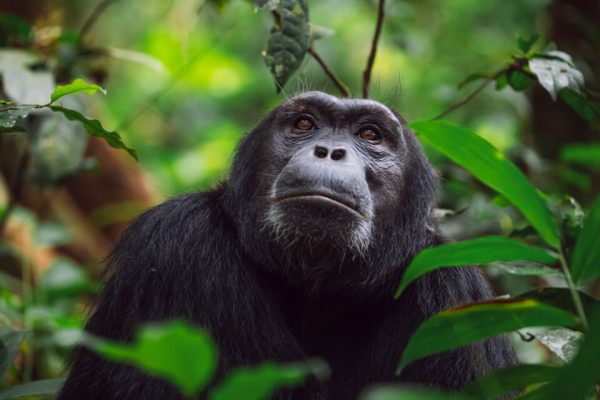
3-Day Chimpanzee Trekking Safari
On this three-day walking expedition through the Kibale Forest in Uganda, you will encounter the closest living relatives of humans. You can go trekking either in the morning or in the afternoon. Once you find the chimps, you have one hour to spend with them. Featuring diverse expanses of tropical rain forest and a variety of wildlife, Kibale Forest National Park is among the most appealing national parks in Uganda. The park’s 795 km2 are comprised of marshes, rivers, rain forest, and a little amount of grassland.
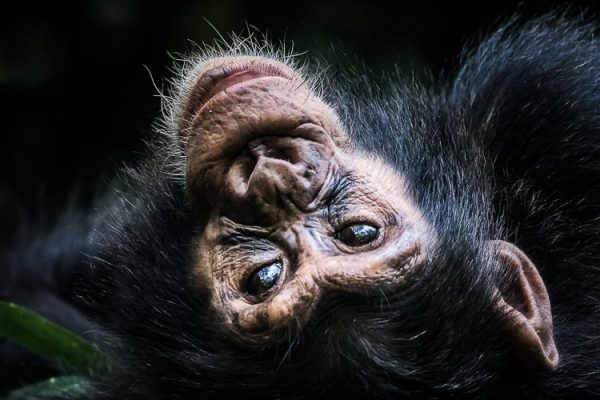
Chimpanzee And Gorilla Trekking
Gorilla and chimpanzee trekking in Uganda offers two distinct, incredible primate encounters, combining the serene, family-oriented mountain gorillas in places like Bwindi with the energetic chimpanzees primarily in Kibale Forest, requiring physical fitness for jungle hikes, permits, and adherence to strict rules like age limits (usually 15 for gorillas, 12 for chimps) and distance, creating unforgettable, close-up wildlife memories with necessary gear like masks, raincoats, and sturdy shoes for an amazing African adventure.
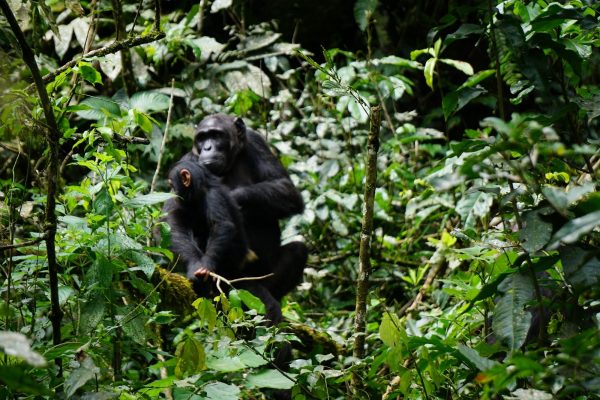
Chimpanzee Habituation Experience
Tracking gorillas and chimpanzees is the main draw for many primatology travellers to Uganda. Habituation, on the other hand, is a brand new and considerably more intriguing addition to the list. This is the first step in preparing wild monkeys to be tracked by acclimating them to human presence. It takes around three years to finish and can be done for both gorillas and chimpanzees. More than 4,950 chimpanzees have been found in Uganda, with over 1,500 of them residing in Kibale National Park.
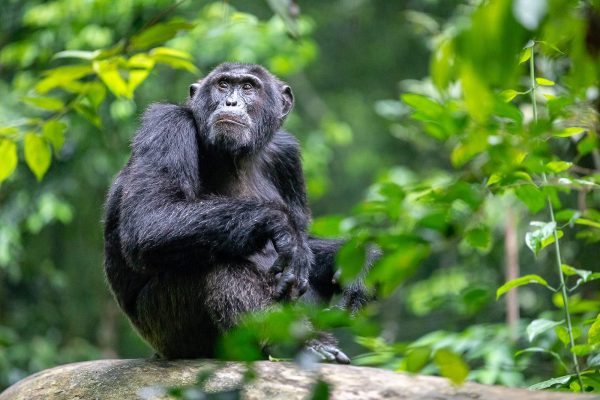
Chimpanzee Habituation And Conservation
This 4-day Chimpanzee Habituation And Conservation safari includes a distinctive chimpanzee tracking and conservation experience, a visit to Kibale National Park, Bigodi, and the cultural sites of ‘Amabere ga nyina mwiru’ in Fort Portal, participation in tree planting activities, support for the “Save River Mpanga” project, and enjoyment of hot springs, nature walks, hill climbing, and crater lake viewing.