
Kenya Safari Guide | The Ultimate Travel Guide to Kenya
This handy Kenya Safari Guide: shows you when to go to Kenya, and how to combine the best safari destinations. If you’re planning a first-time safari in Kenya, you’ve come to the right place.
Kenya routinely ranks as one of Africa’s top safari locations, that much is certain. Numerous thousands of tourists visit the country’s incredible wildlife areas each year, as well as events like the Great Wildebeest Migration. Kenya offers incredible safari experiences all year round because of its temperate temperature, vast open areas, and a profusion of animals in iconic locations like the Masai Mara and Amboseli.
You’ve come to the perfect site if you’re thinking of going on your first safari in Kenya. We have created remarkable itineraries to the “birthplace of safari” since 1998 for thousands of tourists from around the world. Our greatest travel tips, from travel budgets and the best wildlife regions to Wildebeest Migration schedule and the best locations to stay, are included in this practical Kenya safari guide.
The Ultimate Kenya Safari Guide
1. Location and Landscape
East Africa’s Kenya is a small nation. Nairobi, located largely in the center, serves as both the nation’s capital and primary transportation hub. Safari tourists arrive at Jomo Kenyatta International Airport and connect at Wilson Domestic Airport, which is right next door, to reach their safari locations. These are the principal regions to the north, south, east, and west of the capital, using Nairobi as a central point:
Central Kenya
All Kenya safari itineraries normally begin here because Nairobi serves as the nation’s logistical center. There are many conservation areas in the vicinity of Nairobi, the most well-known of which are the Aberdare Mountains, Lakes Nakuru and Naivasha, and Nairobi National Park. During the rainy season, the area is lush and verdant, and the lakes provide a haven for wildlife and birds.
Western Kenya
The Masai Mara National Reserve, which hosts some of Africa’s best year-round game watching as well as the annual Wildebeest Migration, is without a doubt the most well-known location in western Kenya. Massive herds of wildebeest and zebras are present from roughly August to November, and because they constantly draw the attention of Africa’s top predators, peak season visitor numbers are high (about June to October).
The broad, flat grassland of the Masai Mara affords excellent grazing, which is the main factor attracting the Migration there. The broad landscape is a safari classic with green grass that changes color as the seasons change, and there are few thickets, forests, or high peaks. The Thomson’s gazelle, topi, and reticulated and Masai giraffe are among the animals that frequent the plains, which are also occasionally populated with flat-topped acacia trees.
Northern Kenya
As you move farther north, the country gets drier and hillier since it doesn’t get as much rain as the southwest of Kenya does.
Nevertheless, there are still some excellent safari alternatives in this area, including Samburu National Park, Lewa Wildlife Conservancy, and Laikipia. The drier circumstances are ideal for animals like the Grevy’s zebra, the Somali ostrich, and the gerenuk. The best location in Kenya to regularly and reliably witness rhinos is Lewa. You might be fortunate enough to glimpse Mounts Kenya and Meru on a clear day.
Southern Kenya
This is the greatest location to see snow-capped Mount Kilimanjaro, the highest peak in Africa and the tallest free-standing mountain in the world, as it shares the longest portion of Kenya’s border with Tanzania. Kili is really in Tanzania, but Kenya’s Amboseli National Park has amazing vantage views because it is so near to the border.
The topography is more diversified and the area of Kenya is wetter: For instance, Amboseli has a stunning combination of open grassland, wetlands, woods, and hills, making it perfect for a range of species, from elephants to bat-eared foxes. Chyulu Hills and Tsavo East and West National Parks are close by.
Some of Kenya’s nicest beaches can be found down on the south-eastern coast. Visit Diani and the neighboring Galu for luxury beach resorts and kiteboarding. Visit Funzi Island to go diving and snorkeling.
2. Kenya Travel Guide: Getting Around
Jomo Kenyatta International Airport (JKIA) is located in Nairobi and serves as both an airport for domestic and international flights. The airport serves as a significant departure point for flights throughout Kenya and East Africa.
Wilson Airport, located around 15km (10 miles) from JKIA, is the departure point for small aircraft flights that take visitors on fly-in safaris to popular destinations including the Masai Mara, Amboseli, Samburu, and others. Be sure to leave plenty of time between your international and domestic flights to transfer between the two airports. On a good day, the road transfer can take up to 90 minutes.
With chartered planes, you may avoid tedious road transfers and spend more time on safari while exploring Kenya. Safari vehicles with four-wheel drive are used for road transfers between bush airstrips and resorts.
3. Kenya Safari Costs & Advice
Costs for a Kenya safari can vary greatly depending on a number of factors, such as the season, the level of luxury of your accommodation, the mode of transportation (drive or fly), and optional extras (such as hot-air balloon rides, spa treatments, mountain biking, or cultural visits).
We don’t offer cookie-cutter packages here at Kabira Safaris Africa. Spend where it makes the most sense for your specific needs, and we’ll work with your budget to create a personalised Kenyan experience. Sharing rides but upgrading to the nicest lodging in the area could be possible on a shoestring price. Alternatively, opting for a somewhat less expensive tented camp can extend your trip by one or two days. Due to the lack of regulations, no two safaris in Kenya follow the same pattern.
The following is our Kenya travel guide, which includes approximate costs for a safari including transfers and lodging on a per-person-per-night (PPPN) basis:
Feel free to discuss your travel plans and budget with your Africa Safari Expert before your Kenya trip. Our recommendation is that clients come prepared with a range of acceptable budgets and share them as soon as possible. You will reach your ideal itinerary much faster and the consultation process will go much more smoothly if you do this.
When arranging a safari to Kenya for the first time, it’s important to know what you can afford. It’s easy to get overwhelmed when thinking about or discussing how much you’re ready to spend.
4. Tipping in Kenya
Tip servers as a token of appreciation for excellent service is common practice in Kenya, while not required by law. It is customary to tip staff members with cash, which can be given directly to them, deposited in a tip box provided by most safari lodges, or given to the lodge or camp manager.
Tipping is expected of a variety of service providers in Kenya, including drivers of taxis and shuttles, porters at hotels, railways, and airports, wait staff, bartenders, tour guides, chambermaids, wildlife rangers, and golf caddies.
The standard tip at most bars and restaurants is between ten and fifteen percent of the bill, though some places may tack on a surcharge for parties of ten or more.
Consider leaving a tip of around US$5 per couple in your party for transfers. A pair can tip the personnel at a game lodge around $15 USD per day, while rangers and trackers should expect a tip of $10 to $15 USD per couple per day.
To learn more about how much to tip on a safari, check out our comprehensive tipping guide.
5. Kenya Safari Guide: Accommodation
Kenya is home to a wide variety of lodging options, from rustic, nomadic camps followed by the Wildebeest Migration to ultra-luxurious city hotels and resorts. Presented here is our Kenya travel guide that covers some of the country’s most beloved spots:
Nairobi: The Giraffe Manor, Ololo Safari Lodge, House of Waine
Masai Mara: Angama Mara, Rekero Camp, Governors’ Camp
Amboseli National Park: Porini Amboseli Camp, Tortilis Camp, and Satao Elerai Camp
Samburu National Reserve: Saruni Samburu, SaSaab Camp, and Saruni Rhino
Lewa & Laikipia: Loisaba Tented Camp, Porini Rhino Camp, and Governors’ Mugie House
Diani & The Coast: AfroChic Diani, WaterLovers Beach Resort, and Alfajiri Cliff Villa
6. Wildlife, the Wildebeest Migration & the Big 5
Due to its mild climate and expansive landscapes, Kenya is a popular safari destination since it provides excellent wildlife watching throughout the year. For many reasons, the Masai Mara is an ideal location for first-time safari visitors to Kenya, and it is also a popular site for photographers and birdwatchers.
- The wide, level terrain makes it simple to see all directions and locate wildlife. Unlike in South Africa’s Kruger National Park, where animals might be concealed by the thick forest, many safari guides in Kenya do not employ trackers because viewing the game is extremely easy.
- In most areas, you can find plenty of healthy animals thanks to long-term conservation efforts.
- English is widely spoken and the roads are well-maintained.
- The delicate equilibrium of agricultural, natural, and human demands is sustained by unique partnerships between government agencies, environmentalists, tribal landowners, and safari operators.
The Great Wildebeest Migration
The crossing of the Mara River into the Masai Mara National Reserve by over two million wildebeest, zebra, and gazelle for the purpose of feeding on new grass is arguably the most spectacular wildlife spectacle in Kenya. From August to November, when they return to Tanzania’s Serengeti National Park, the animals spend around four or five months there, systematically grazing the Mara.
Before you book your safari to Kenya to witness the Migration, make sure you remember the following:
- It’s a must-do on any safari, so secure your preferred lodging up to a year in advance.
- Since the wildebeest make their own decisions and gnu minds are notoriously opaque, no one can predict with any degree of certainty when they will cross the Mara River. Also, big groups will cross at different locations on different days, rather than all at once. What makes a safari so thrilling is the element of suspense.
- As soon as prey shows up, predators jump into action. The thrill of a chase or a slaughter isn’t without its risks, though.
- Staying in one of the private conservancies adjacent to the national reserve is the best way to escape the throngs during this popular occurrence.
The Big 5
Even though lions, leopards, buffalo, elephants, and rhinos are all prevalent in Kenya, it’s not easy to witness all five in one spot. Although the Masai Mara is home to several remaining rhinos, seeing one of these majestic animals is an incredibly uncommon and arduous ordeal.
Finding elephants, lions, buffalo, and leopards is considerably less difficult. Although they aren’t officially part of the Big 5, cheetahs are perfectly suited to the Mara’s vast, level plains, which let them to reach top speed with minimal barriers, and the Migration draws out predators in droves. One of the most exciting things about watching a game is seeing a cheetah pursue its victim.
Go to the Lewa Wildlife Conservancy if you like to observe rhinos in their natural habitat. Thanks to a well-planned and executed conservation effort, these kindly giants are thriving. Lewa provides refuge for several endangered species, including the black rhino, the Grevy’s zebra, and the wild dog. Ol Pejeta Conservancy in the Laikipia district of Kenya is another great place to watch rhinos. At Ol Pejeta, you can see two of the last northern white rhinos on Earth, and you can also see endangered black rhinos in a safe haven.
7. Kenya Safari Guide: Best Time to Go
Numerous factors influence the accuracy of your timing. Time constraints prevent some vacationers from going at certain times of year, while others seek out the greatest deals, and still others want to experience the thrill of a safari during the height of the season.
| Low / Green Season | High / Peak Season | |
| When | November to March | June to October Christmas to New Year |
| Accommodation Rates | Low | High |
| Weather | Hot with occasional afternoon thundershowers | Cool and dry |
| Game Viewing Highlights | Migrant birds arrive – fantastic time for birdwatching Birthing season – lots of baby animals around | Wildebeest Migration river crossings |
| Landscape | Lush and green | Dry and dusty |
| Wildebeest Migration | No | Yes |
8. Traveller Types: Kenya is Best for…
Travellers can choose from a wide variety of fascinating possibilities in Kenya, according to their preferred style of travel:
| Traveller | Recommendation |
| First-time visitors on a Kenya safari | Round trip: Nairobi, Amboseli & Masai Mara |
| Second-time visitors to Africa | Samburu, Laikipia & Lewa |
| Photographers & birdwatchers | Low / Green Season |
| Bush-&-beach breaks | Combine safari with time in Diani |
| Adventure seekers | Laikipia for walking-, camelback- & fly-camping safaris Mount Kenya for hiking Kenyan coast for scuba diving |
| Eco-tourists | Lewa, Laikipia & Mara Conservancies |
| Cultural tourists | Samburu, Masai Mara & Amboseli |
Individuals, couples, and honeymooners should personalise their safari experience according to their hobbies; for instance, if you enjoy camping at home, you might want to think about spending some time in a traditional tented camp. Honeymooners and couples looking for a little extra pampered can choose from a wide variety of five-star hotels in Kenya.
As usual, the greatest approach to find the perfect lodging for your individual trip needs is to speak with one of our Africa Safari Experts.
9. Health & Safety
Travelling to Kenya is completely risk-free. Thousands of tourists visit the country each month, and the tourism industry is a major economic driver. A few things to remember are standard fare for any international trip:
- Make sure to receive any necessary vaccines at the recommended time by consulting your travel clinic.
- Green Season is when malaria is least likely to occur, and peak season is much less likely. To find out what safety measures to take, consult your physician. Be careful to inform them if you plan on going scuba diving afterwards so they can prescribe the appropriate prophylactic.
- Going into rural areas and villages outside of parks and reserves increases the danger of malaria.
- Sunscreen, a hat, and lots of water are musts. Those who aren’t accustomed to the African sun can still feel its effects even in winter.
- Limit your alcohol consumption. While sundowners, cocktails, and nightcaps are enjoyable, safari wake-up calls are early!
- Get some rest; most lodges use combustible materials like thatch and wood, so it’s best to smoke in designated places.
- Wild animals will be drawn to the fragrance of food if you store it in your tent or room.
After dusk, even if the camp is enclosed, you shouldn’t stroll around it. Hold tight till an escort comes to accompany you.
Under no circumstances should you ever disobey your Kenya safari guide. The creatures remain wild regardless of how ‘tame’ they appear. Do not approach them, pet them, or do anything else that could entice them.
10. Kenya Travel Guide: What to Wear on Safari
Your safari packing list for Kenya should be tailored to your visit’s season, the kinds of activities you intend to partake in, and any baggage restrictions imposed by the means of transportation you intend to use. Remember that you won’t necessarily need a whole spare set of clothes because some lodges and hotels offer washing facilities.
Typical Kenyan attire consists of denim, shorts, sandals and trainers. Unless explicitly indicated otherwise, this outfit is appropriate for public spaces. The dress rules of various establishments, such as hotels and restaurants, are typically business casual or smart casual. If you are visiting a house of worship or cultural centre, dress modestly.
Lightweight neutral-colored garments in shades like khaki, brown, beige, or green should be included of your Kenya safari packing list. White will get dirty fast, and black might grow hot during the day and attract mosquitoes at night; avoid both if you can help it. Trousers that have a zippered bottom section that can be removed make for a highly versatile pair of shorts.
It’s wise to wear layers, since early morning game drives in open vehicles may be quite cool, but the day will quickly warm up once the sun rises. In the winter months of Kenya (June to August), evening drives can be chilly, so pack a beanie, scarf, and gloves for your safari.
11. Help Conserve Kenya with Your Safari
There is so much to see and see in Kenya that it could be challenging to narrow down your travel plans. Your ideal Kenyan safari can contribute to wildlife and environmental conservation in any way you imagine it, whether that’s witnessing the Great Migration or having an ethical contact with elephants and giraffes in Nairobi. Our safari itineraries are part of our Trips With A Purpose program, which helps fund local conservation efforts through site visits and immersive, hands-on experiences. With these safari plans, you can leave Kenya in better shape than when you arrived:
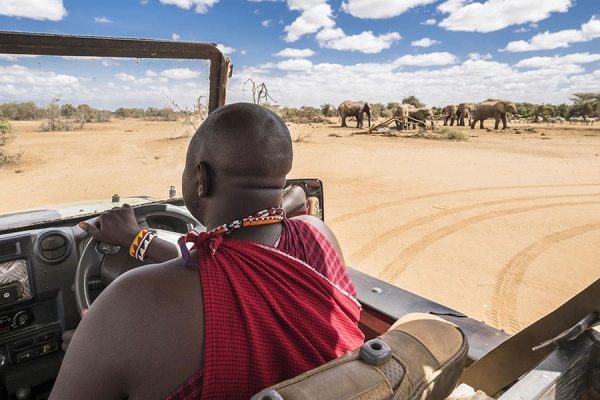
Kenya’s Community & Conservation Safari
Kenya’s Community & Conservation Safaris blend thrilling wildlife viewing (Big Five, migrations) with meaningful local engagement, supporting indigenous groups like the Maasai in managing conservancies, funding education/healthcare, and offering unique cultural interactions like village visits, ranger training, and supporting rhino/elephant conservation projects (e.g., Ol Pejeta, David Sheldrick) for a sustainable, low-impact, and culturally rich experience.
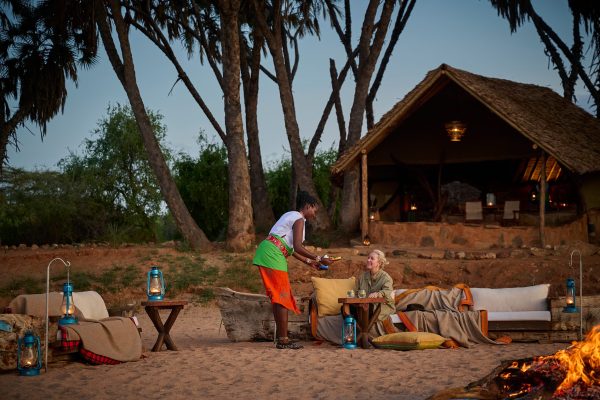
Amboseli, Laikipia And Masai Mara
A 10-day Kenya safari visiting Amboseli, Laikipia, and the Masai Mara offers diverse wildlife, iconic landscapes (like Mt. Kilimanjaro), and unique cultural experiences, typically starting in Nairobi, moving south to Amboseli for elephants, then up to Laikipia for conservation activities and unique walks/sleep-outs, and concluding in the abundant Mara for big cats and the migration, often utilizing internal flights for efficiency
12. Kenya Combines Well With…
Nairobi, the capital of Kenya, is well-connected to other famous African cities and serves as a transportation centre for East Africa.
- Malawi: Incredible snorkelling on Lake Malawi
- Uganda: Fantastic gorilla trekking in Bwindi
- Zimbabwe: See Victoria Falls plus classic safari
- Zambia: Enjoy Victoria Falls plus a walking safari
- Tanzania: Safari on the Serengeti and Big 5 viewing in Ngorongoro Crater
- South Africa: Visit Cape Town, the Garden Route and the Kruger National Park
You may certainly combine a trip to Kenya with a trip to any other African destination, such as the Seychelles, Namibia, or Botswana, provided you have the time and resources to do so.
Affordable Kenya Safaris
Great value, real safari experiences, and luxurious lodgings in prime locations are all part of these budget-friendly Kenya safari packages:
Luxury Kenya Safaris
Luxury safaris in Kenya include not just stays in stunning places and the best hotels, but also the chance to do things like go on camelback safaris and see traditional villages. Relaxation on a tropical island is the perfect way to end your luxurious safari in Kenya.