
Akagera National Park Rwanda | Safari Guide, Map & More!
Akagera National Park Rwanda | Safari Guide, Map & More!. Akagera National Park is located in eastern Rwanda, close to the Tanzanian border. Activities in Akagera National Park, Weather, Game Drives, and Camping. Our informative guide to Akagera National Park will teach you everything you need to know about this lovely park. Here you will find the most up-to-date information on the park’s attractions, activities, best times to visit, location, and lodging options.
Akagera National Park is a protected region in eastern Rwanda that spans 1,122 square kilometers (433 square miles) near the country’s border with Tanzania. It was established in 1934 and has savannah, montane, and swamp ecosystems. The Akagera National Park takes its name from the Kagera River, which flows along its eastern edge and feeds Lake Ihema and numerous smaller lakes. Over a third of the park is made up of a complex system of lakes and linked papyrus swamps, making it the biggest protected wetland in Eastern-Central Africa.
Akagera Safaris
Akagera Safaris – Expert Advice, Custom Itineraries & Lodges. A refuge for savannah-adapted species in Rwanda, Akagera National Park has grown into the biggest protected wetland in central Africa as a result of persistent efforts to restock wildlife populations and the implementation of stringent anti-poaching regulations. The return of the Eastern black rhino and the lion to Akagera has restored the park to its status as a Big 5 safari destination and made it an ideal overnight stop for anyone planning to do gorilla trekking. Plus, birdwatchers will find paradise on Akagera, as it is home to over 480 different bird species, including the rare shoebill stork, which looks like something out of a prehistoric novel.
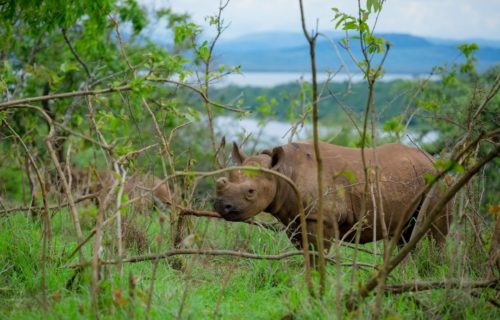
3 Days Akagera Wildlife Safari
Akagera Park has played a major role in boosting the Rwanda tourism industry as far as wildlife is concerned. From Kigali, it takes about 2 h 30 min to reach the park on the fastest route and about 3 hours via Akagera road. Formed of the forest-fringed lakes, rolling plains, papyrus swamps, and savannah plains the park is famed as the most scenic in Africa.
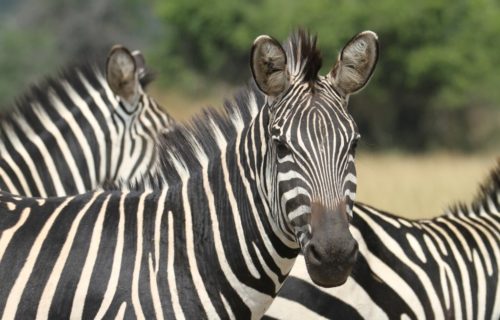
4 Days Akagera National Park Safari
The park is home to the “Big Five” African game (which are Buffaloes, Lions, Leopards, Rhinos, and Elephants). It’s the best spot for Rwanda wildlife tours. Rwanda doesn’t have several wildlife parks but Akagera is a major drawcard when it comes to wildlife game drives. From Kigali city, it takes about 2 h 30 min to reach the park on the fastest route and about 3 hours via Akagera road.
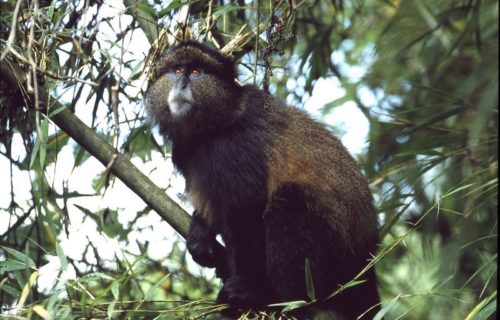
5 Days Rwanda Safari
5 Days Safari in Rwanda The monkey tracking and gorilla trekking tour takes you to Rwanda’s top primate habitats. This 5-day Rwanda safari takes you to Volcanoes National Park for gorilla trekking and Nyungwe Forest National Park for chimp tracking.
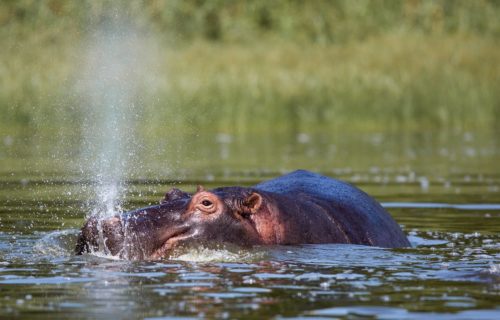
A Day Trip to Akagera National Park
1 Day Akagera National Park is a one-day wildlife excursion to Rwanda’s Akagera Park. The Park is home to the big five African games and is the greatest place in Rwanda for a one-day excursion for wildlife watching in the picturesque wilderness. Rwanda does not have many wildlife parks.
7 Days in Rwanda Itinerary
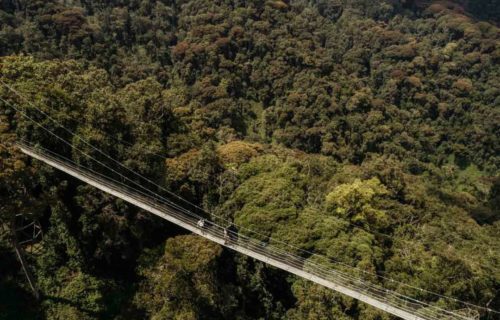
A 7-day safari in Rwanda offers a comprehensive tour of the country’s diverse national parks, featuring gorilla and chimpanzee trekking, “Big Five” game drives, and cultural experiences. Safaris generally range from $5,000 to $7,500 USD for a week-long, mid-range private experience, which usually includes the costly gorilla trekking permits.
6 Days in Rwanda Itinerary
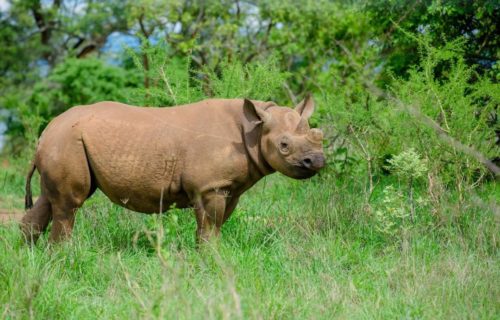
A 6-day Rwanda safari focuses on primates and diverse landscapes, typically combining iconic mountain gorilla trekking in Volcanoes National Park, chimpanzee tracking and canopy walks in Nyungwe Forest National Park, a Kigali city tour (Genocide Memorial), and often a visit to beautiful Lake Kivu or even savannah game drives in Akagera National Park for the Big Five.
8 Days Rwanda Itinerary
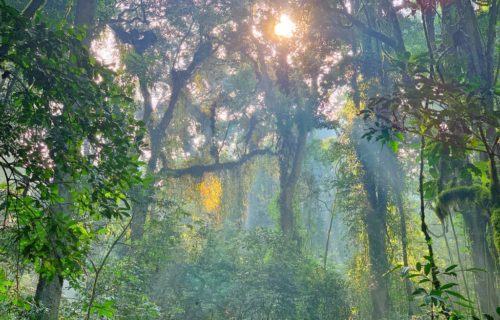
An 8-day Rwanda safari offers a comprehensive adventure hitting all three national parks: Volcanoes (gorillas & golden monkeys), Nyungwe Forest (chimps & canopy walk), and Akagera (Big Five & boat safaris), plus culture in Kigali and lakeside relaxation at Lake Kivu. Expect breathtaking scenery, intense primate trekking (gorillas require permits!), thrilling game drives, and cultural insights, perfect for experiencing Rwanda’s diverse wildlife and landscapes in a week.
9 Day Rwanda Itinerary
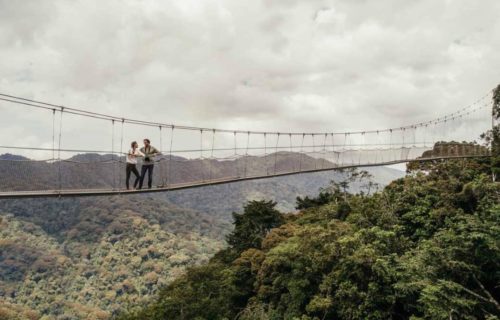
A 9-day Rwanda safari offers an intensive wildlife and cultural immersion, typically covering Kigali, {< Volcanoes National Park} (gorilla trekking), {< Nyungwe Forest} (chimpanzees, canopy walks), {< Lake Kivu} (relaxation/scenery), and {< Akagera National Park} (Big Five game drives/boat safaris) for a comprehensive “Land of a Thousand Hills” experience, blending primates, big game, and stunning landscapes. Key activities include gorilla trekking, chimpanzee tracking, canopy walks, boat cruises, city tours, and cultural visits, often with luxury accommodation options available.
The history of the Akagera National Park
The 1994 genocide had devastating effects on the entire country, including Akagera National Park and its wildlife population. Many Rwandans moved back to the country when the genocide ended, but there was just not enough space for everyone. As a result, animals in Akagera National Park were displaced and some were even killed.
Realizing that many of the park’s animals were disappearing, the government partitioned the park in 1997, setting aside a portion of the land (approximately 1200 square kilometers) to care for the animals and the other portion for the refugees who had returned to the country. But even after the division, some residents continued to hunt the animals, which prompted the Rwanda development board to create the electric perimeter wall in 2010. With the wall in place, the animals once again had protection, and the National Park flourished.
After being nearly eradicated by poaching, Akagera National Park’s animal population has just recovered. Security guards and other law enforcement personnel helped end poaching in the National Park, and the reintroduction of wildlife helped establish the park as a popular tourist attraction.
The lion population had dwindled to extinction by the 1990s, but in 2015 it was reintroduced with the help of two females relocated from South Africa. After the successful reintroduction of around 18 rhinos in 2017, an additional five black rhinos were put into the Akagera in 2019.
Despite its tragic past, Akagera National Park is currently home to over 7,000 animals and around 500 bird species, all of which can be viewed year-round. The Akagera National Park is not only home to a wide variety of flora and fauna, but also offers a striking terrain that is well worth exploring.
Akagera National Park Cost
Costs for renting a car to drive to the Akagera range between $175 and $275. Tour guides are not too expensive, charging an average of $25 USD per day (more for longer trips) if booked in advance. The entrance price to Akagera Park is $40 USD, with the remainder of your trip costs depending on the lodging option you select.
Boat cruises that last the full day, game drives, birding, nature walks, and cultural tours are just a few of the many things to do in the Akagera. If you plan ahead of time, you can easily arrange all of these activities, allowing you to experience the park’s best features.
Things to Do in Akagera National Park
Akagera National Park offers classic Rwandan safari experiences, focusing on day and night game drives to spot the Big Five (lion, rhino, elephant, buffalo, leopard) and diverse wildlife, plus scenic boat cruises on Lake Ihema for hippos, crocs, and birds, plus guided nature walks, bird watching, and cultural visits to nearby communities for an immersive Rwandan cultural experience.
How To Get To Akagera National Park
The Akagera National Park is conveniently located close to the country’s primary entry point, the Kigali International Airport (110 km). Beginning your trip to Akagera National Park at Kigali International Airport, you’ll want to equip your vehicle with four-wheel drive because the gravel roads leading to and within the park are not simple to navigate.
By Road
Driving from Kigali
- Distance & Time: Approximately 110 kilometers (68 miles). The drive takes about 2 to 3 hours.
- Route: You will travel on a well-maintained tarmac road for most of the journey, transitioning to a 28-kilometer dirt road leading directly to the park headquarters.
- Vehicle Recommendation: It’s highly recommended to use a 4×4 safari vehicle, especially if you plan to explore the park further or engage in self-drive safaris. Kabira Safaris Africa will pick you up in a safari jeep in Kigali.
By Air
Charter Flights
For a quicker option, charter flights are available from Kigali International Airport to Akagera National Park. This service is provided by Akagera Aviation and can significantly reduce travel time, offering a scenic aerial view of Rwanda’s landscapes.
Accommodation in the Akagera National Park
Accommodation in Akagera National Park ranges from luxury lodges like Mantis Akagera Game Lodge and Ruzizi Tented Lodge, to mid-range options such as Akagera Rhino Lodge, plus budget-friendly campsites and guesthouses just outside the park, offering diverse experiences from immersive wilderness stays to convenient, comfortable bases for wildlife viewing and activities.
Best Time to Visit Akagera National Park
Akagera may be visited at any time of year. The dry season (June to September) is the best time to visit the park to observe animals. Because the jungle thins out and wildlife congregates near the lakes, it is easier to detect animals.
Best Time
From June through September (It is dry and wildlife is easier to spot)
High Season
June to September (Akagera is busiest at weekends)
Low Season
March, April, October, and November (These are the peaks of the rains)
Best Weather
June to August (Least rain)
Worst Weather
March and April (Most rain)
June to September –Dry Season
October to May –Wet Season
What you need to know before going to the Akagera National Park
If you want to make the most of your time in the national park, there are a few things you should bring with you.
Renting a car:
You can go hiking in the National Park, but you’ll need a car because the park is so large. Due to the dirt roads within the Park, and especially during the wet season when the roads are still muddy, a four-wheel-drive vehicle is recommended.
Hiring a tour guide:
While some visitors may choose to go out on their own when exploring the Park, a guided tour is the best way to see everything the Park has to offer. The going rate for an Akagera tour guide is between $50 and $200 USD each day, with the latter being the norm for longer excursions.
Health needs:
Akagera National Park, being a rainforest, naturally has many insects that could be harmful to your health; therefore, it is recommended that you get vaccinated against things like yellow fever and keep an eye out for tsetse flies before you enter the Park.