
Tarangire National Park Tanzania | Safaris & Travel Guide
Tarangire National Park Tanzania has been a remarkable destination for tourists who wish to encounter large numbers of animals on a Tanzania safari and at the same time need to have an ultimate view of the wildlife with less interference from tourist crowds on the trip.
Tarangire National Park rewards those that decide to explore it with great animal sightings, and bird watching amidst great scenery in giant baobab backdrops.
Tarangire is the quieter, lesser-known jewel of the northern safari circuit. It is a firm favourite with guides in Tanzania with a migration of around 3,000 elephant peaking from July through November.
Tanzania’s Hidden Safari Gem
Tarangire provides a very different ecosystem than its more well-known neighbours at Ngorongoro and Serengeti. Indeed, Tarangire’s habitat is much more akin to the parks of southern Tanzania, especially Ruaha. Tarangire’s biggest draw is that there are no tourists because it is so large. Tarangire is smaller than the Lake Manyara, but gets fewer visitors! Those who make it this far usually only do so for a short time, and only get to see the northern portions of the park before rushing off somewhere else. The south part of the park feels very secluded and tourist free.
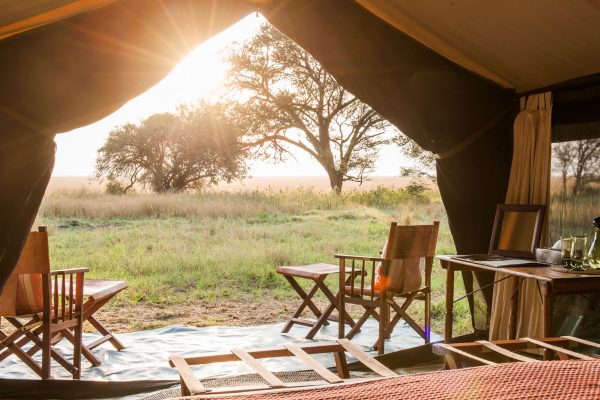
Tarangire National Park Day Trip
A day trip to Tarangire National Park is highly feasible and serves as one of the best single-day safari options in Tanzania. Famous for its massive elephant herds and ancient baobab trees, this destination offers a compact, wildlife-dense alternative to the Serengeti. Most day tours originate out of Arusha or Moshi.
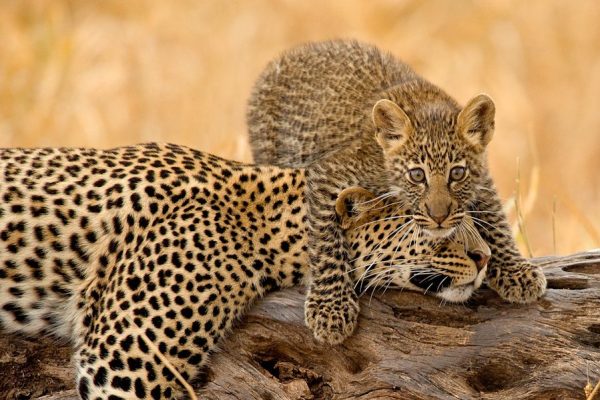
4-Day Tarangire And Serengeti
A 4-day safari from Arusha to Tarangire and the Serengeti immerses you in Tanzania’s premier wildlife reserves. You will encounter massive elephant herds under ancient baobabs in Tarangire, and witness the sweeping plains and apex predators of the Serengeti.

Tarangire Wildlife
From July to November the Tarangire River is a magnet for migratory animals such as wildebeest, zebra, eland, Coke’s hartebeest, gazelle, buffalo and elephant – of which there are more than you can imagine. Lions are quite easily spotted at this time, as well.
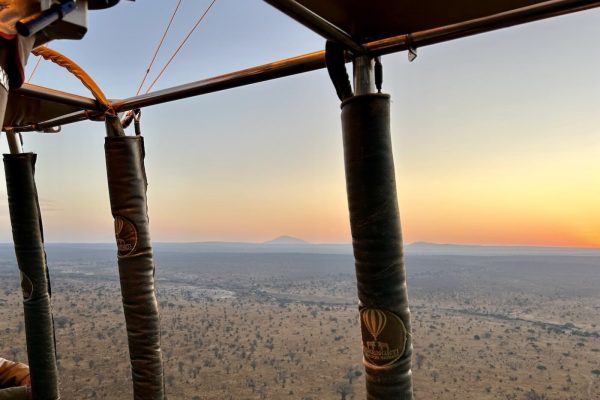
Tarangire Balloon Safaris
Tarangire hot air balloon safaris offer a stunning bird’s-eye view of ancient baobab trees and massive elephant herds. Priced between $590 and $750 per person, the experience typically runs for about 1 hour and ends with a traditional champagne bush breakfast.
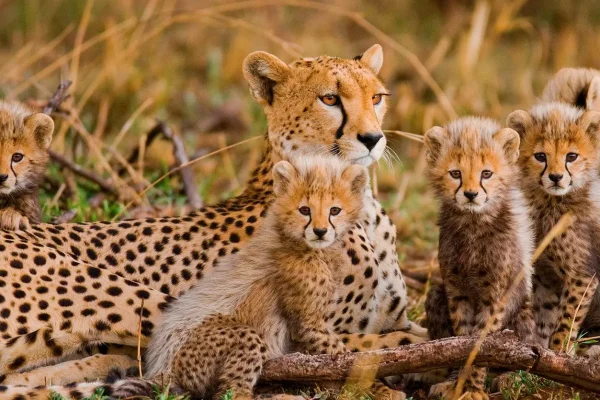
Tarangire, Ngorongoro & Serengeti
Tarangire, Ngorongoro, and the Serengeti form Tanzania’s renowned Northern Safari Circuit. Tarangire offers dramatic baobab scenery and massive elephant herds; the Serengeti hosts the Great Migration and world-class predator sightings; and the Ngorongoro Crater provides a highly concentrated, visually stunning “Big Five” safari within a collapsed caldera.
Activities & Wildlife
Tarangire offers a wider choice of activities than any other northern park, among a gorgeous setting of baobab woods and the Tarangire River, and is a seasonal safari destination with a famous yearly elephant migration.
1. Game Drives
Tarangire is highly seasonal. But when it is in season, it may provide some of the best wildlife experiences in Tanzania. This is a park you only want to see in dry weather (July-Oct). All around here, miles and miles, there are countless of herds of elephants. The park comes to life as the elephants go through it. As the hot dry months begin the lesser water sources dry up and wildlife congregates along the Tarangire River.
All the lodges in Tarangire National Park have slightly varied activities but most still centre around classic game drives taking in the spectacular wildlife and stunning vistas of the park.
2. Night Drives & Walking Safaris
The major activity in the park has traditionally been the standard game drive, but TANAPA (National Park Authority) has in recent years developed a number of activities that other national parks envy. In Tarangire National Park, the only one of its kind in Tanzania, you may do night safaris and walking safaris and fly camping. That makes it the most northerly park with the widest variety of safari experiences — a real Northern Circuit treasure!
You can go with your guide into the bush and learn about the wildlife, the vegetation, the insects and the faeces. Or remain out after midnight and see what night monsters you can find in the dark. Most large cats hunt at night, so you can sometimes encounter a predator with its quarry.
3. Fly Camping
It’s a camping event under the stars, so you can get even closer to what it feels to be in the African bush! The design varies significantly from lodge to lodge, but what is consistent is that you will spend a night away from the main camp, enjoy a private dinner under the stars in a gorgeous location and then sleep in simpler lodging (often a treehouse). “It’s the sounds of the bush at night and the feeling of being in the wild that attracts people here. Your guides are, of course, always near you, and you are always in touch with the main camp.
4. Wildlife
The most remarkable aspect of Tarangire is the park’s elephant migration (July–Oct), when massive herds push through to Tarangire’s river system and marshes during the dry season. Tarangire is now the highest density of elephant in northern Tanzania. You will see plenty of lions and leopards throughout the year. Hyena, jackal and wild dog are seen frequently in Tarangire, while cheetah are rather rare.
The herbivores are the main drivers of total wildlife numbers in Tarangire. And the huge populations of elephant, but also wildebeest, zebra, eland, impala, greater and lesser kudus, dik-dik, Coke’s hartebeest, Thomson’s gazelle, giraffe, buffalo, reedbuck, waterbuck, warthog, hippopotamus, mongoose, rock hyrax and even the fringe-eared oryx and the gerenuk!
5. Birdlife
Birds frequent Tarangire in astoundingly large numbers. There are around 500 species recorded so far, so it’s really a birdwatchers’ heaven! The landscape of Tarangire is so wide and varied that there is a wonderful selection of feathery companions to see — ostriches, eagles, lovebirds, weaver birds, barbets, parrots, pelicans, nightjars, starlings, babblers and the intriguingly titled ‘bare-faced go-away bird’! If you’re into birdwatching, don’t forget your binoculars!