
African Safaris Packages from USA/Canada/Australia/UK
Luxury African Safaris Packages from the USA/Canada/Australia/UK. involves defining goals, choosing a destination (like Kenya, Tanzania, South Africa, Botswana), selecting the best time (dry season: June-Oct), setting a budget, picking a travel style (luxury, camping), and arranging logistics like flights (JFK, ATL, IAD connections) and health precautions (visas, vaccinations, antimalarials). Start planning 12-24 months ahead, especially for peak times, and consider working with a specialist safari operator to handle details and find reputable guides.
The diverse and expansive landscapes, fascinating wildlife, stunning beaches, five-star accommodations, and delectable cuisine of Africa entice visitors. But how can one even begin? Like writing a good book, planning an unforgettable vacation requires careful consideration of the prologue, the main events, and the complexities in between. From what seems like the other side of the globe, we know better than anyone how terrifying that can be.
Therefore, if you’ve never planned an Luxury African Safaris Packages from the USA/Canada/Australia/UK before, you might feel overwhelmed. The key to effective planning is having the right information; the only question is, are you ready to put in the time and effort to get it? Let us, the planning specialists, share with you our secrets for an unforgettable African safari, along with a detailed itinerary and practical advice. Now, we may begin:
Luxury African safaris from the USA
Luxury African safaris from the USA offer bespoke, high-end wildlife experiences with top operators like The Bespoke African Safari Co., Kabira Safaris Africa, and Kabira Gorilla Safaris. Popular options include private concessions in Botswana, the Serengeti in Tanzania, and exclusive lodges in South Africa’s Sabi Sands. These trips, often costing over $1,000 per person per night, feature private guides, luxury camps, and sustainable, community-focused travel.
Luxury African safaris from Canada
Luxury African safaris from Canada offer all-inclusive, tailor-made experiences focusing on private, high-end tented camps and lodges in destinations like Botswana, South Africa, Kenya, and Tanzania. Top providers often include private guides, chartered flights, and tailored wildlife encounters to witness the Big Five or Great Migration.
African Safaris from the Australia
Australian travelers have numerous options for African safaris, ranging from The Bespoke African Safari Co. and Kabira Safaris Africa packages to Kabira Gorilla Safaris guided trips. Top destinations include Botswana, South Africa, Kenya, and Tanzania. Common routes include Sydney to Johannesburg (approx. 21 hours), with many tailored, small-group, or private adventures available.
African Safaris from the UK
African safaris from the UK are widely available, with top destinations including Kenya, Tanzania, South Africa, Botswana, and Zimbabwe for viewing the “Big Five”. Packages range from luxury lodges and tailored itineraries via specialists like Kabira Safaris Africa and The Bespoke African Safari Co. to adventure camping with On Rwenzori Trekking Services, Kilimanjaro Trekking Services. Popular options include Cape Town, the Serengeti, and the Okavango Delta.
African Safaris Packages from the USA/Canada/Australia/UK
1. Decide Where To Go
The first item on your African safari vacation preparation checklist should be determining where to travel, as Africa is a massive continent to explore. Either East Africa or Southern Africa is a great choice, whether you’re a first-time traveler or one of our return clients. While it is theoretically possible to mix them, in practice, choosing just one can be more convenient, particularly when you are doing your own planning. Because of this, one must wonder: is East Africa or South Africa the superior choice? There is no one correct response to that question; rather, it depends on your preferences and the specifics of your trip, such as if you want to view animals, partake in extra activities like hot air balloon rides, witness a natural phenomena like the Great Migration, and avoid malaria, among other things.
When we talk of safaris in East Africa, we usually mean places like Tanzania and Kenya, which are both well regarded. Then, for individuals who desire to gorilla trekking via breathtaking rainforests, nations such as Rwanda and Uganda are the way to go. With the likes of Zanzibar, the Seychelles, Kenya’s shoreline, and even the secluded Rubondo Island, East Africa can compete with any coastal destination in the world. The Great Wildebeest Migration is a major attraction in East Africa, where visitors may enjoy excellent game viewing throughout the year in several world-class parks and private reserves. Make it a combination of dependable road and plane travel to reach your targets.
Those in search of the perfect African trip should give South Africa serious consideration. South Africa is home to world-famous attractions like Kruger National Park and Cape Town, as well as great safaris that are safe for families and don’t involve malaria. It is a veritable paradise on Earth, with everything from the Mother City’s hustle and beaches and the breathtaking Garden Route to world-renowned vineyards and acclaimed wildlife sanctuaries. Given the distance between popular destinations like Kruger National Park and Cape Town, for instance, South Africa is more suited to air travel than road transfers. Reserves with small charter flights still have adequate accessibility, thankfully. There is an abundance of wildlife and birds, but the weather and season play a more significant role.
2. Choose the Right Time to Travel
Luxury African Safaris from the US/Canada/Australia/UK around the best time of year is one of our top pieces of advice. The ideal time to travel on a safari could change depending on your interests and the specific locations you want to see. If you want to see the Great Migration as it crosses rivers, for instance, you should aim for July. During the dry season, Kruger National Park is at its most spectacular, making it the ideal time to visit for nature lovers.
The months of May through October are ideal for a safari in South Africa due to the pleasant weather, scarcity of water, and concentration of animals around watering holes. Even though it’s not summer, the weather in May is typically pleasant and agreeable, so this works well with other South African attractions like Cape Town and the Garden Route. The best time to visit Mozambique is from May to November, which happens to fall around this time as well.
If you’re planning a trip to East Africa, the months of June through October are ideal for a safari in Kenya due to the mild weather and lack of rain. Hot and humid weather with occasional rains characterises Kenya’s coastline, which is located along the Indian Ocean. During the dry season, which lasts from June to October in neighbouring Kenya, the best time to visit Tanzania is also within those months. Gorilla trekkers will be happy to know that Rwanda and Uganda both have their own distinct seasons, with one being ideal for treks and the other for safari sightings.
In both East and South Africa, there are several advantages to visiting during the Green Season and the slightly less popular months. With the arrival of migratory species, not only is the birdlife at its peak, but there are also plenty of newborn animals and plenty of game to view. There will be plenty of thrilling sightings thanks to the knowledgeable guides and trackers. During these months, you can find more reasonably priced, higher-end accommodations, and, what’s even better, less tourists and cars.
3. Book International Flights
When planning a Luxury African Safari from the US/Canada/Australia/UK, one of the most important factors to consider is the international flights, namely the airport from which you will depart and the one into which you will arrive in Africa. Depending on your travel plans, you can fly directly from the United States to Johannesburg, South Africa from New York (JFK), Washington D.C. (IAD), or Atlanta (ATL). Kenya may be reached directly from New York’s JFK Airport. Numerous other connecting flights depart from and arrive at European locations like Amsterdam, London, and Paris, in addition to Dubai.
When making plans, think about how long flights should be, how many layovers should be, and what to do if you’re travelling with kids or people of different generations. If you want to make the most of your first day in South Africa and avoid jet lag, it’s best to schedule your flights during the overnight. When flying long distances, stay hydrated and get some exercise. For the best results in adjusting to the new time zone, it’s recommended that you remain awake until the evening upon arrival.
You should make an itinerary before you book your flights because your destinations will determine how you go to Africa and back home. If you’re starting your vacation in Cape Town but leaving from Kenya, for instance, you won’t be looking for a return ticket. If you want professional help, booking a plane ticket from the US to Africa for a safari adventure is a breeze. In order to create the ideal schedule that includes all the necessary connections, transports to and from parks and hotels, and everything in between, the flight crew of Kabira Safaris Africa frequently collaborates with our team of Africa Safari Experts.
4. Work With A Safari Specialist
Working with a travel agency, especially one located in your destination, has several advantages, as many individuals will attest. Is the reason actually explained, though? Here’s a rundown: first and foremost, working with locals allows you to benefit from their intimate understanding of the area. We know because we go, for instance, is our mantra. This is also not a term that we use casually. In addition to their extensive knowledge of Africa, each of our Safari Experts has been there and done that, making them experts in the areas they cover.
Additional benefits accrue from their extensive knowledge of matters such as visa procedures, vaccines, recognised malaria-free areas, and a great deal more. Assistance with plans and logistics is perhaps the biggest perk of working with a reliable local business when making a reservation. We get it; it’s totally doable to arrange your own vacation. But, as a first-time tourist, we know how daunting the process may be. Regardless, it’s still worth paying for the inside scoop on how to find your way around Africa’s smaller, less urban airports.
5. Understand Visa and Vaccination Requirements
The expense of obtaining the necessary visas and health certificates is another factor for US/Canada/Australia/UK citizens planning a safari. US/Canada/Australia/UK. citizens can enter a number of African nations without a visa, but it’s important to be prepared because some countries grant visas upon arrival, some are electronic visas, and still others take more work.
Most countries are rather relaxed when it comes to health concerns and entrance criteria. Getting a yellow fever vaccine is something to think about if you’ve travelled to areas where the disease is prevalent. As a parent, it is your responsibility to verify that you have all necessary papers and permissions before travelling with children. Malaria is another major factor to think about while planning an African vacation; while some regions are malaria-free, some have a minimal risk, and still others necessitate medicine. Just a short trip to the doctor will get you this.
Note that Kabira Safaris Africa is knowledgeable about visa requirements and can help you with everything from where to apply to the process itself. Unfortunately, we are unable to assist tourists with obtaining visas. Make sure your passport is up-to-date and your visa application was accepted; it is essential for all guests. A passport should be valid for at least six months after your trip ends, preferably twelve months. It is the responsibility of the traveler to check that their luggage meets the standards of the specific small aircraft they are travelling on; nevertheless, our Africa Safari Experts are pleased to offer advice on this matter. For further information, please see our complete set of Booking Terms.
6. Budget Your Safari
Safari Costs – Mid-Range vs Luxury
Please be aware that there is a wide spectrum of safari alternatives available, from those that are more affordable and suitable for families to others that offer more opulence and even ultra-luxury. Safaris in South Africa can cost anywhere from four hundred fifty dollars to a thousand dollars. Safaris in Kenya aren’t cheap, with prices ranging from $700 for an entry-level experience to $2,600 for a five-star choice during peak season. Safaris in Tanzania cost between $700 and $2,500, while those in Zambia range from about $1,000 for a mid-range experience to about $2,300 for a 5-star one.
The aforementioned prices are only ballpark figures; actual prices may vary by season and per person, each night.
Inclusive or Exclusive?
The affordability of your safari will also be affected by the inclusiveness of your chosen accommodation. Although not all activities are included in the regular full board that safari camps and lodges often offer due to their more distant locations, it does mean that most activities are. Hot air balloon safaris are a fantastic illustration of this; they aren’t available everywhere and typically cost more. On the flip side, guided hikes and game drives are usually part of the deal. Some lodges offer private vehicles for an extra fee, making it possible to customise adventures for explorers of all ages, which is great if you’re travelling with kids.
7. Prepare and Pack for the Trip
The last step in planning an African safari from the United States is packing, which you should do as your anticipation for your impending safari trip grows. If there is too much information or seems unclear, we totally get it. For a comprehensive overview, we suggest reviewing our safari packing guide. However, to keep things simple:
- Wearing a thick jacket over lightweight, breathable apparel will keep you warm on chilly evenings. Game drives and possible bush hikes require sturdy, closed-toe shoes.
- Morning game drives could be cool, but the day gets hot fast, so layers are a good idea.
- Come prepared with a cap, shades, and sunscreen. For those times when you don’t want to wear a heavy coat, our specialists also suggest bringing a lightweight scarf or sarong.
- Aim for packing mostly pastel or muted tones, or neutral shades.
- Remember to bring a swimsuit if your accommodation has one. When you’re relaxing at the lodge or camp, we also suggest bringing a pair of sandals.
- Proper baggage — soft-shelled suitcases are essential for charter or light aircraft trips, and you should be prepared to adhere to weight constraints. Before you board your aircraft from the United States to Africa, make sure you check these. The weight restriction for domestic flights inside Africa may be less stringent than that for international flights.
8. Recommended First Time Safari Itineraries
Itineraries suggested for repeat visitors often differ from those for first-time visitors. If this is your first time, here are some suggestions for how to book a Luxury African Safaris Packages from the USA/Canada/Australia/UK:
Southern Africa Safaris
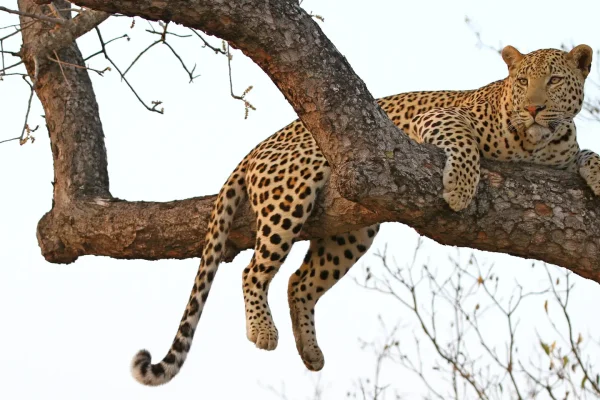
Southern Africa offers diverse safari experiences, famous for iconic parks like South Africa’s Kruger, Botswana’s Okavango Delta & Chobe (huge elephant herds), Namibia’s Etosha (salt pan), Zambia’s South Luangwa (walking safaris), and Zimbabwe’s Hwange, with options ranging from malaria-free Eastern Cape reserves to luxury lodges in private concessions near Kruger (Sabi Sand) or wild camping adventures. Key destinations focus on the “Big Five” (lion, leopard, rhino, elephant, buffalo) and unique ecosystems, often combined with cultural visits or Victoria Falls.
East African Safaris
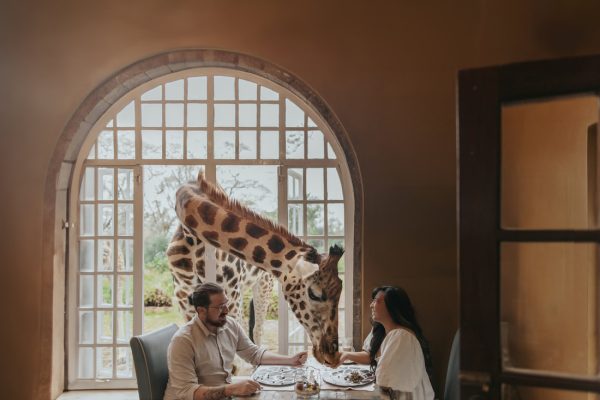
An East Africa safari offers iconic wildlife viewing in Kenya and Tanzania (Maasai Mara, Serengeti, Ngorongoro Crater), famous for the Great Migration, plus unique primate treks in Uganda/Rwanda (gorillas) and stunning landscapes like Mount Kilimanjaro, combining thrilling game drives with cultural experiences and beach escapes (Zanzibar) for an unforgettable African adventure.
9. Our Final Tips for Travellers from the USA/Uk/Canada/Australia
Top tip: Take into account the time of day and different time zones while sending your favourite images and unforgettable experiences to loved ones back home.
In regards to gratuities, for more information on when, why, and how much to tip on an African safari, we suggest reading our guide. You should research the exchange rate and the currencies you might encounter before your trip. It’s also a good idea to bring some cash. Many African countries take dollars, but it’s best to verify with an expert.
Getting travel insurance is something we highly recommend, while it is entirely optional. While we travel, we often tell ourselves things like “it will never happen to me,” but we nevertheless prepare for the possibility that they might. Having it and not needing it is preferable, in the long run, than the other way around.
Ready to Plan Your Greatest Adventure to Africa?
Whether you prefer to arrange your Luxury African Safaris Packages from the USA/Canada/Australia/UK the comfort of your own home or take use of expert advice and services, we hope that you find some of our suggestions useful. Contact an Africa Safari Expert for assistance in organising your next fantastic journey; they will provide you with an obligation-free quote and fill you in on all the incredible options.