
Lake Nakuru National Park Kenya Safari & Flamingos
Lake Nakuru National Park is one of Kenya’s most iconic protected areas, located in the heart of the Great Rift Valley just 160 km northwest of Nairobi. The park is renowned for its:
- Black and white rhinos protected in a fenced sanctuary
- Rothschild’s giraffe population, reintroduced for recovery
- Flamingos and pelicans feeding in alkaline waters
- Scenic viewpoints including Baboon Cliff and Out of Africa Lookout
- Year-round big game and excellent birdwatching
It is a vital region for the preservation of East African wetlands and endangered species, and it is a part of the Rift Valley Lake System, which is recognised on the UNESCO World Heritage list.
This lake and its environs have developed into one of the most biologically significant and actively managed protected areas in Kenya over the course of several decades.
Despite the park’s former prominence as a flamingo sanctuary, its current role as a core sanctuary for rhinos, a globally significant wetland ecosystem, and a frontline conservation landscape dealing with actual human and environmental pressures is much more vital.
Lake Nakuru National Park has evolved into more than just a safari spot. This East African park is a haven for biodiversity, a bastion for endangered species, and a top destination for wildlife viewing. Within its small but breathtakingly beautiful grounds, guests may expect to see rhinos, buffalo, Rothschild’s giraffe, and a plethora of bird species.
Understanding, supporting, and sustaining the park’s biological and conservation significance is the mission of LakeNakuruPark.org, which aims to interpret, conserve, and promote this ecosystem by bridging the gap between science, conservation, and responsible tourism.
Lake Nakuru National Park Safaris
Safaris in Lake Nakuru National Park, Kenya, offer premier wildlife viewing, famous for massive flamingo flocks, endangered black and white rhinos, and, as reported by Kabira Safaris Africa, frequent leopard sightings. Located in the Rift Valley, popular 1- to 3-day tours feature game drives, birdwatching with 400+ species, and scenic spots like Baboon Cliff and Makalia Waterfalls.
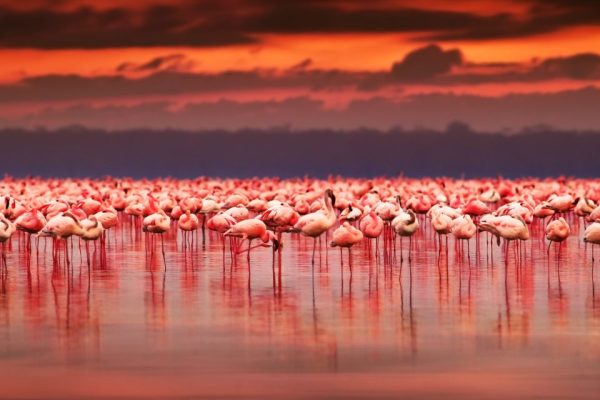
Lake Nakuru Safari
Experience A Lake Nakuru Safari. The enormous flamingo population of Lake Nakuru, which reached over 1.5 million at one point, was famous until 2014 for covering the lake in a pink plume blanket. Heavy flooding has caused water levels to rise, which has curtailed this phenomena and restricted the area where they can reproduce and graze.
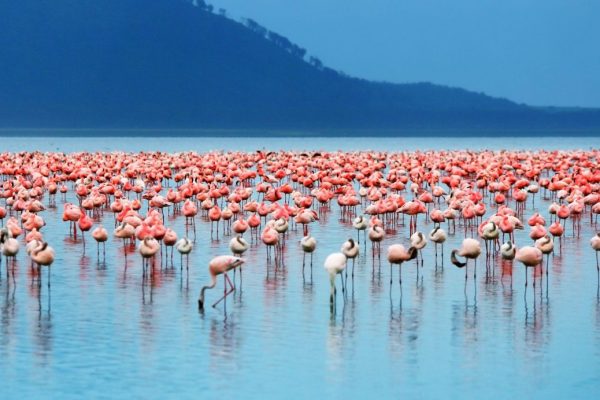
5-Day Lake Nakuru Masai Mara Safari
This 5-day, 4-night Kenya safari offers an action-packed, high-value itinerary focusing on the premier wildlife destinations of Masai Mara National Reserve (renowned for the Great Migration, Big Five, and savanna plains) and Lake Nakuru National Park (famous for rhino sanctuaries and flamingo-studded, bird-rich shores).
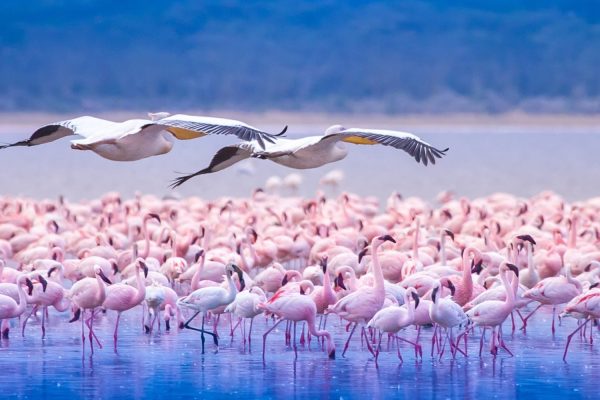
4-Day Lake Nakuru And Masai Mara Safari
A Four-day Lake Nakuru and Masai Mara safari typically starts in Nairobi, offering a packed itinerary with 1 day in Lake Nakuru (rhino sanctuary/flamingos) and 2–3 days in the Masai Mara (big cats/savannah). Highlights include scenic Rift Valley drives, diverse birdwatching, and extensive game drives to spot the Big Five.
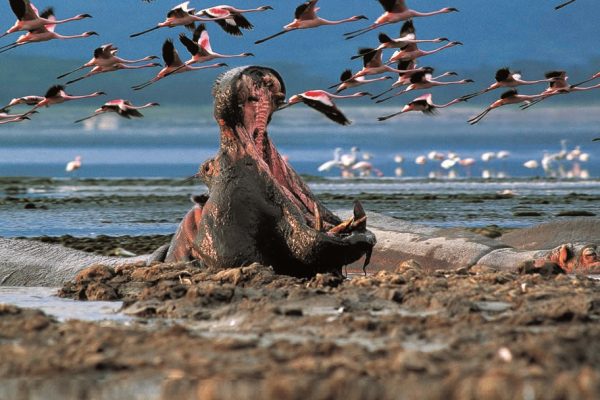
3-Day Lake Nakuru Safari
A 3-day Lake Nakuru safari, typically departing from Nairobi, offers an intensive, wildlife-focused getaway to a premier Kenyan birding paradise. Key activities include multiple game drives targeting endangered rhinos, Rothschild giraffes, lions, and thousands of flamingoes. Highlights include visiting Makalia Falls, scenic viewpoints.
Things to Do in Lake Nakuru National Park
Lake Nakuru National Park, a UNESCO World Heritage site in Kenya, is renowned for its immense flocks of pink flamingos, endangered rhino sanctuary, and diverse wildlife including Rothschild’s giraffes, lions, and leopards. Top activities include game drives, birdwatching, visiting the Baboon Cliff viewpoint, hiking to Makalia Falls, and exploring the scenic acacia woodlands.
- Game drives around the southern tip of Lake Nakuru are ideal for seeing wildlife. Lionesses often rest in the trees in the woodland area beneath Flamingo Hill, making it a popular place for lion sightings. Tourists have reported seeing leopards in the vicinity of the Makalia camp on occasion.
- To take in the vastness of Lake Nakuru National Park, the rocky “Out of Africa” lookout is the place to go. There are fewer sightseers at the lookout than at Baboon Clif below. Even though it’s steeper, the view of the lake and the epic play Out of Africa, directed by Sydney Pollack and starring Meryl Streep and Robert Redford, brings back wonderful memories. The park served as the setting for several sequences in the film.
- Baboon Cliffs is another well-liked lookout and former lunch location. With some great aerial views onto the flooded lakeshore, the viewpoint boasts outstanding views beneath the lake. But baboons are a pain because they sometimes steal food from cars. Go first thing in the morning before anyone else gets there and ruins it.
- For those who enjoy camping and outdoor walks, a stop at the wild Makalia Falls in Lake Nakuru National Park’s southernmost tip is a must. When it rains, the falls swell and look their most beautiful. Overnight camping is available in the adjacent park campground.
Lake Nakuru National Park Highlights
- A vast, shallow lake supports exceptional birds, including massive flocks of pelicans and fluctuating groups of flamingos, in Kenya’s most scenic national park, which boasts breathtaking landscape in the Rift Valley.
- Leopards, lions, black and white rhino, large herds of buffalo, waterbuck, eland, and the endangered Rothschild’s giraffe are just a few of the animals that thrive in the diverse ecosystems.
- The Masai Mara, Samburu, and Mount Kenya are all easily accessible from Nairobi.
Getting There And Around
Located around 166 km (103 miles) northwest of Nairobi, Lake Nakuru National Park can be reached after a two- or three-hour journey on the main A104 road. Just three hours is all it takes to drive around the park, and it’s one of the rare parks that can be navigated with a regular car, not a 4×4. You may get about the park with the help of any number of cab drivers in Nakuru town; if you’d like, you can even hire a professional safari guide from Kenya for an additional charge. With the help of a local safari operator, you can visit Lake Nakuru as part of a longer safari to the Masai Mara or while staying at Lake Naivasha.
Best Time to Visit Lake Nakuru National Park
You may enjoy Lake Nakuru at any time of year, but if you plan to visit in March, April, or May, you might want to brace yourself for some rain. But if you’re looking for a rain-free holiday around Lake Nakuru, the months of June through March are ideal. Lake Nakuru is home to a diverse array of birds, but the vibrant pink flamingos, who were once the park’s crown jewel, have been struggling to thrive in recent years. While this has caused some flamingos to disperse, they have not left the Rift Valley altogether.
The best time to visit Lake Nakuru National Park is during the dry seasons, specifically June to October and January to February. These months offer optimal game viewing as animals congregate around the lake, roads are dry for easy navigation, and the famous flamingos are present in large numbers, peaking between July and October.
- Dry Season (June-Oct & Jan-Feb): Ideal for wildlife spotting (rhinos, lions, giraffes) as vegetation is sparse and animals crowd the water.
- Best Time for Flamingos: While present for much of the year, flamingo numbers are generally highest from July to February.
- Wet Season (March-May & Nov-Dec): While it is greener and less crowded, heavy rains can make driving challenging, although it offers excellent birding opportunities for species other than flamingos.