
Laikipia Plateau Kenya | Packages, Safari Guide & Activities
The Laikipia Plateau is a premier Kenyan safari destination located in the high plains north of Mount Kenya, covering over 9,000 sq. km. Known for its private conservancies and high-density wildlife—second only to the Maasai Mara—it is a leading stronghold for endangered species like rhinos, Grévy’s zebra, and African wild dogs.
Laikipia is blessed with vistas of mighty Mount Kenya, the verdant northern Plateau, the distant Northern Frontier District, and endless horizons as it stands majestically and beautifully above the equator at an average (and delightfully cooling) height of 6,500 feet.
In the classic African fashion, Laikipia’s landscapes are dramatic and diverse, but the animal and bird characters that inhabit it are truly theatrical. The region is home to black rhinos, Grevy’s zebras, and an exceptionally rare population of wild dogs (“They are the most enthusiastic animal.”), all of which are East African species that are in danger of extinction but are thankfully well-protected. “Wild dogs live the life domestic dogs wish they could live,” argues Rosie Woodroffe of London’s Institute of Zoology, despite the fact that other predators may be bigger and fiercer. And that’s not even counting the Big Five: lions, buffalo, elephants, leopards, and both white and black rhinos. The list goes on and on, showing how diverse and abundant the gamelands are in East Africa: oryx, serval, cheetahs, baboons, eland, Grant’s gazelle, Jackson’s hartebeest, vervet monkeys, hippos, impala, plains zebras, bat-eared fox, silver-backed jackal, and the cunning and unexpectedly sympatico hyena.
“Laikipia is truly one of Kenya’s treasures, from its geology and landscapes to its vast and unique biodiversity.” – Ann Marie Howard Scientific American
Laikipia Plateau Activities
Laikipia Plateau offers unique, private Kenyan safari experiences beyond traditional game drives, focusing on walking safaris, rhino conservation, camel trekking, and horseback riding in private conservancies like Ol Pejeta and Lewa. Visitors can engage in big cat monitoring, community visits,, night drives, and overnight stays in “star beds”.
- Diverse Wildlife Safaris: Explore Laikipia’s high biodiversity, which includes the Big Five and rare species like Grevy’s zebras, reticulated giraffes, and the only northern white rhinos at Ol Pejeta Conservancy.
- Walking Safaris & Hiking: Guided walking safaris with local Samburu guides are a specialty, allowing for a close-up experience of the wilderness and rocky landscapes.
- Horseback Riding & Camel Safaris: Ride through the plains alongside giraffes and zebras on horseback or via camel caravan in areas like Loisaba Conservancy and Borana.
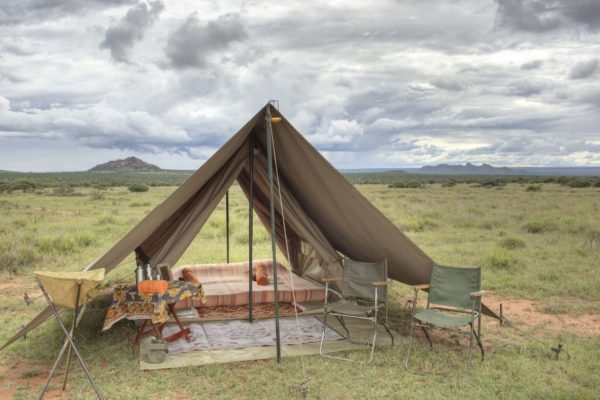
- Unique Accommodation & Activities: Stay in traditional tented camps or sleep under the stars in unique “star beds” at places like Loisaba or Ol Malo Lodge.
- Community & Conservation Visits: Participate in community visits to learn about Samburu culture and visit schools, or learn about conservation efforts at Lewa Wildlife Conservancy.
- Night Game Drives & River Activities: Experience nocturnal wildlife on night drives and try fishing or kayaking along the rivers.
- Photography & Birding: Over 500 bird species and vast,, dramatic landscapes provide exceptional opportunities for photographers.
Laikipia, Samburu & Masai Mara
Laikipia, Samburu, and Masai Mara form an ultimate ultimate 10-to-11-day Kenyan safari circuit combining private rhino conservation plateaus, arid northern scrublands with rare endemic species, and classic predator-rich savannah plains.
Places to visit in the Laikipia Plateau
Featuring heavily on our experiences of visiting the Laikipia Plateau, these selected places are destinations that also prove consistently popular with our travelers. Our specialists can help you choose how to include them in your wider trip, based on your preferences.
1. Visit Il Ngwesi Group Ranch, Kenya
The Il Ngwesi Group Ranch lies north of Mount Kenya and encompasses an area of 16,500 hectares. The ranch is far from any settlements and on the border of Kenya’s Laikipia Plateau. Here, land spreads eternally to the horizon, you will not see a single light at night and the calls of the wild surround you.
2. Visit Lewa Wilderness Conservancy, Kenya
The Lewa Wildlife Conservancy, which is located north of Mount Kenya, has more than 45,000 acres. Ian Craig, the protagonist, inherited his parents’ cattle property in 1977 and ran it with great determination.
Protecting Wildlife at Lewa
Once upon a time, animals could roam freely on the farm. However, with the rise of poaching in the 1970s, many of these creatures faced extinction. After the slaughter of all the rhinos on the farm in 1983, 5,000 acres of the ranch were set aside as a refuge for the endangered species. The property eventually expanded to 10,000 acres before being transformed into the Lewa Wildlife Conservancy in 1995. The southern Ngara Ndara woodland and other nearby areas were eventually integrated as well.
3. Visit Ol Pejeta Conservancy, Kenya
The Ol Pejeta sanctuary is a 90,000 acre wildlife sanctuary situated between the slopes of the Aberdares and Mount Kenya.
The conservancy has an extensive variety of animals including the Big Five as well as a chimpanzee sanctuary.
The International Conservancy for Flora and Fauna
The region served as a cow ranch throughout the colonial period. The ranch was once a migratory corridor for elephants, but the growing elephant population has taken up residence there, destroying fences and rendering cattle ranching obsolete. Fauna and Flora International, a conservation organization located in the UK, bought the reserve in 2004 and converted it into a conservancy.
4. Visit Loisaba Wilderness Conservancy, Kenya
Roughly 150 square kilometers make up the Loisaba Wilderness Conservancy. Just north of Mount Kenya, on the Laikipia Plateau, it sits precariously.
Diverse landscape
Across the reserve, you can see vastly different landscapes. The expansive plateau grasslands are located in the reserve’s northernmost section. At its southernmost point, the plateau abruptly divides into cliffs, valleys, and escarpments. You may see out the distant blue shape of Mount Kenya from a few of these higher vantage spots. The lowlands and valleys host a distinct environment, with verdant forests of palm, acacia, and fig trees nourished by the rivers N’gare Narok and Ewaso Ng’iro.
Wildlife of the Laikipia Plateau
More species in danger of extinction call this region of East Africa home than any other. You can spot wild dogs, Jackson’s hartebeests, and Grévy’s zebras here. Wildlife from the north, such as gerenuk, beisa oryx, Somali ostrich, and reticulated giraffe, can be found here. Elephants abound, as do lions, leopards, and cheetahs, as well as gazelles and impalas in plenty.
Huge wildlife conservancies, sometimes called ranches for the farms that once stood there, cover most of the plateau. Now they’re all about protecting animals. Borana Ranch, Il Ngwesi Group Ranch, Lekurruki Group Ranch, Sabuk Wilderness, Lewa Wilderness Conservancy, Loisaba Wilderness, and Sosian Ranch are the seven largest conservancies.
There is a striking lack of uniformity among the conservancies. Some are managed by Maasai communities; examples include Il Ngwesi and Lekurruki. As a guest, you can find more about the ongoing projects, and others, like Lewa, have played a significant role in research and education. Loisaba came up with the ingenious “star bed,” while Sabuk runs camel trips into the regions and works closely with Samburu locals.
You may unwind in complete nature at any of the conservancies because they are all off the beaten path. Some possible activities include hiking in search of elephants, traversing rough terrain on a camelback, or seeing the sunset from a kopje. As far as the eye can see, the landscape is arid and crimson, with game roaming freely.