
The Great Migration River Crossings | Wildebeest & More
The Great Migration river crossings in Kenya’s Maasai Mara and Tanzania’s Serengeti are dramatic spectacles where millions of wildebeest, zebras, and gazelles cross rivers like the Mara to follow fresh grazing, facing predators and crocodiles from roughly June to October, a highlight of the year-long cycle in the Serengeti-Mara ecosystem. These crossings, especially at the Mara River, are intensely sought-after but unpredictable, requiring patience to witness the raw survival as herds hesitate before plunging in, making them a quintessential African safari experience.
What is a wildebeest crossing? The wildebeest migration is an annual phenomenon occurring in the Masai Mara of Kenya and the Serengeti of Tanzania, during which millions of wildebeests, zebras, and other species across the Great Mara River from July to October. Various crossings occur throughout these months.
Nowhere else in the world can one witness the extraordinary spectacle of millions of animals migrating across plains and rivers, except in the Masai Mara and Serengeti. The migrations of wildebeests commence from the southern regions of Serengeti and Ndutu, proceeding to the northern Serengeti.
Wildebeest calves, born between January and March annually, increase in height and weight as they traverse the Serengeti plains, crossing the Grumeti River, ultimately reaching the Northern Serengeti fully matured and prepared to face the obstacles of river crossings.
The Great Migration River Crossings
Why Do Wildebeests Migrate?
What is the rationale behind the migration of wildebeests? Wildebeests migrate over the Serengeti and Masai Mara plains in pursuit of sustenance and hydration, as well as to adhere to their biological rhythms. They migrate to Masai Mara for mating from July to October and subsequently move to Ndutu to give birth from January to March.
The Connochaetes Migration encompasses a year-long series of activities characterised by various events and observations. These creatures introduce significant activity wherever they relocate. Increased activity is observed in the Northern Serengeti and Masai Mara as they traverse the infected Mara River.
Large felines, including lions, leopards, and cheetahs, as well as scavengers such as vultures, hyenas, and silverback jackals, trail these herds closely. A multitude of activity is observed throughout this period.
The Great Migration Crossings Points
The Great Migration’s key crossing points occur at the Mara River (Kenya/Tanzania) and Grumeti River (Tanzania), with popular spots like the Mara Triangle, Kichwa Tembo, Serena Crossing, Lookout Hill, and Sand River in the Masai Mara, and numbered crossings (1-10) in the Serengeti (like #4, #7, #10) for dramatic, predator-filled crossings, particularly July-October when herds head north, and south November-December following the rains.
Masai Mara (Kenya) Crossings
- Mara Triangle Crossing: Scenic western side, less crowded.
- Kichwa Tembo: Near a popular camp, good access.
- Serena Crossing: Reliable, near Serena Lodge, favored by visitors.
- Lookout Hill Crossing: High vantage point for views.
- Sand River Crossing: Often the first crossings of the year, eastern side.
- Little Governor’s: Within the Masai Mara National Reserve.
Serengeti (Tanzania) Crossings
- Numbered Crossings: Points 1-10, with 4, 7, 10 being major spots.
- Kogatende Region: Northern Serengeti, near the Mara River.
- Lamai Wedge: Key area for crossings into Kenya.
- Grumeti River: Western Serengeti corridor crossings, with large crocodiles.
When & Why They Cross
- July – October: Herds move north from Serengeti to Masai Mara, crossing the Mara River.
- November – December: Herds move south from Masai Mara back to Tanzania as rains return.
- Dangers: Steep banks, fast currents, and lurking crocodiles make these crossings perilous.
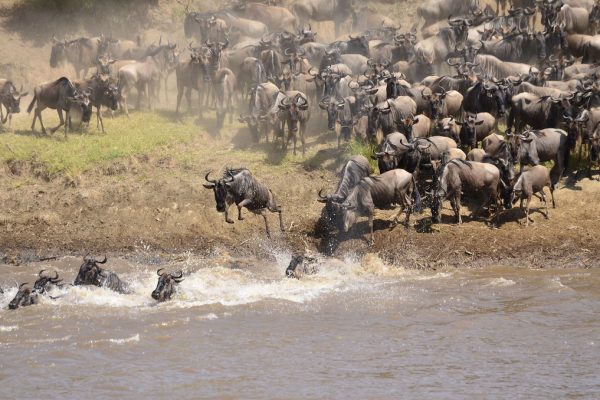
Great Migration Mara River Crossing
The wildebeests possess numerous crossing places along the Mara River, located in both the Serengeti and Masai Mara. One exists, the Kichwa Tembo Crossing Point, located within the Mara North Conservancy. There are two crossing locations within the Masai Mara National Game Reserve: the Lookout Crossing Point and the Sand River Crossing Point, as well as the Serena Crossing Point.
These crossings may be inaccurate, as some do not occur at the locations previously specified; they serve just as indicators of popular crossing spots in Masai Mara.
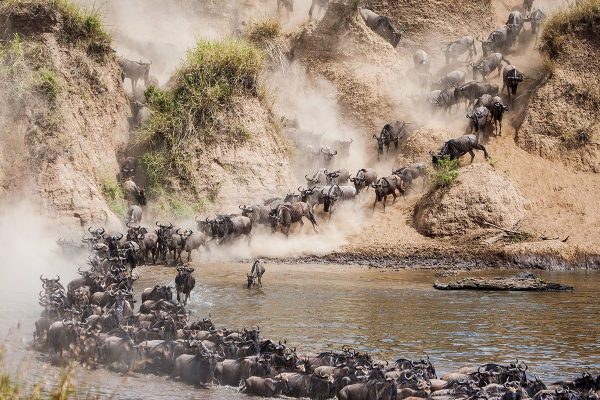
The Great Migration Grumeti River Crossing
The Great Migration’s Grumeti River crossing in Tanzania’s Western Serengeti happens around May to July, as massive herds of wildebeest, zebra, and antelope move north, facing large Nile crocodiles and predators in a dramatic, yet often less crowded, spectacle than the Mara River crossing.
These crossings are crucial steps in the annual cycle, offering lush grazing but presenting challenges like steep banks and high predation, making it a significant event for wildlife enthusiasts seeking fewer crowds than at the more famous Mara River.
Understanding the Great Migration River Crossings
To fully appreciate this natural phenomena, one must comprehend the great wildebeest migration and the great migratory river crossings. Millions of zebras and wildebeest had to traverse dangerous rivers like the Mara and Grumeti every year. This guide explores their ecological impact, timing, important locations, and significance.
- River crossings during the Great Migration, particularly at the Mara and Grumeti rivers, are essential to the survival of zebras and wildebeest, demonstrating the untamed strength and ecological balance of nature.
- In Tanzania’s Serengeti National Park, the best time to witness river crossings during the Great Migration is from June to October, especially in July and August. Location and timing are crucial.
- Traditional migration routes are seriously threatened by climate change, which also affects grazing conditions and emphasises the significance of conservation efforts to preserve this natural marvel.
One of nature’s most magnificent displays of wildlife in motion is the Great Migration. Millions of wildebeest, zebras, gazelles, elands, and other antelope species set out on a never-ending quest for water and new grazing every year. This yearly occasion serves as a reminder of the animals’ flexibility and tenacity, demonstrating their capacity to deal with the difficulties of the African bush.
The Great Migration is a cyclical migration that travels more than 1,200 miles over the vast expanses of Kenya’s Masai Mara National Reserve and Tanzania’s Serengeti National Park. One of the world’s most amazing wildlife displays, this epic trek is motivated by the shifting seasons and the need for food. The magnitude and drama of the migration enthral wildlife enthusiasts and nature lovers around the world, attracting them to observe this remarkable occurrence.
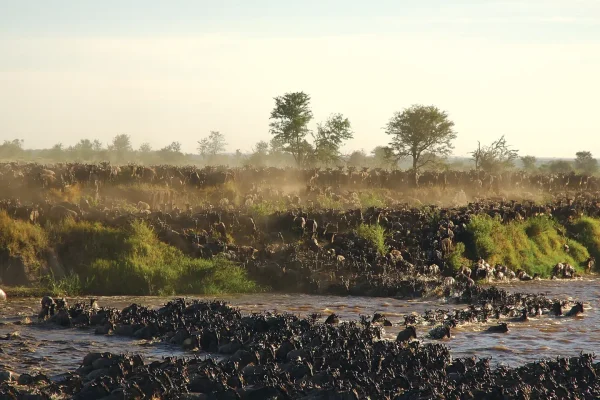
7-Day Great Migration Safari
A 7-Day Great Migration Safari is a popular tour package focused on witnessing the massive wildebeest migration in East Africa, typically in Tanzania’s Serengeti and Kenya’s Maasai Mara, often timed for dramatic Mara River crossings (July-October) or calving season (Jan-March) in the Southern Serengeti/Ngorongoro, combining iconic wildlife viewing with lodging in tented camps or lodges for a condensed yet immersive experience of this natural wonder.
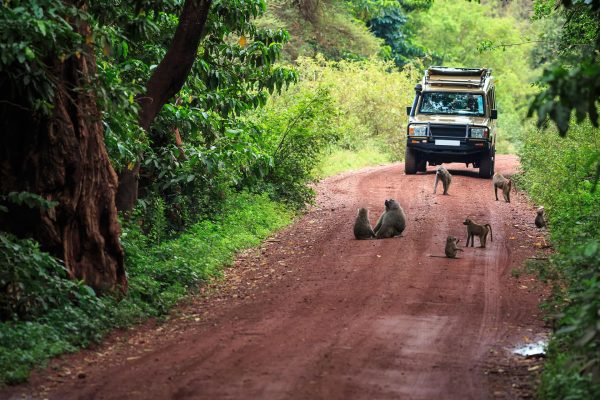
9-Day Northern Tanzania Itinerary
Get ready for the ultimate safari experience in northern Tanzania, where you will come across amazing wildlife, a variety of cultural practices, and stunning landscapes at well-known spots. You will travel through the ancient baobab woods of Tarangire National Park, which is home to elephants, lions, cheetahs, zebras, wildebeest, leopards, and giraffes, from the energetic town of Arusha.
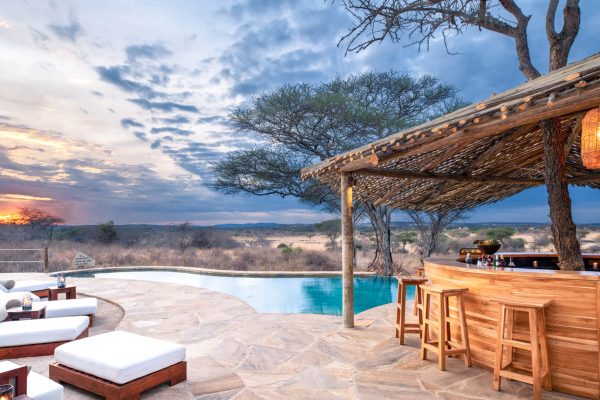
9-Day Tanzania Family
Are you prepared for Tanzania’s greatest family adventure? Come along on our All Kabira Family Safari, which is intended for families with children ages 12 to adolescents. Families may drive and fly for free between three diverse, wildlife-rich regions with this amazing offer, where you will experience and see breathtaking scenery.