
Mikumi National Park Tanzania | Safaris & Travel Guide
Mikumi National Park lies near the north end of the Selous ecosystem in south-central Tanzania. The park encompasses some 1,247 square miles (3,230 sq km) and is bounded on the northeast by the steep Uluguru Mountains and on the southeast by the Lumango Mountains.
Mikumi is adjacent to the Nyerere National Park and close to the biologically rich Udzungwa Mountains National Park. Mikumi, established in 1964, is one of the easiest of Tanzania’s national parks to visit, lying along the main route linking Dar es Salaam to the country’s southern and western areas. Its accessibility, plentiful wildlife and gorgeous scenery have made it one of the most popular safari locations in Tanzania.
The park is most notable for the huge Mkata Floodplain, a vast grassland environment, frequently likened to the famous plains of the Serengeti. Visitors are attracted by the park’s great opportunities to see wild life and the ability to see a great range of species in a relatively small space. Vast herds of grazing animals traverse the broad plains, classic African safari picture with distant mountains in the background.
You may go on game drives, view the birds, take photographs and explore Tanzania’s southern safari circuit without the crowds that are often present in the parks in the north. With its accessibility and abundance of wildlife, it is a perfect destination for first-timers and seasoned safari travellers.
Mikumi National Park landscape consists of broad floodplains, undulating grassland, acacia trees and isolated rocky slopes. The Mkata River and its seasonal tributaries are prominent features of the park’s scenery. Parts of the floodplain turn lush and green during the rainy season, offering plenty of grazing for wildlife.
During the dry season animals concentrate around the few water sources, making for good sightings. Vegetation ranges from wide savanna grasslands to woodlands with acacia, baobab and other drought tolerant tree species. The diversity of habitats supports a broad spectrum of wildlife and enhances the ecological relevance of the park.
One of the main attractions of Mikumi is wildlife. The park has strong populations of elephant, buffalo, giraffe, zebra, wildebeest, impala, eland and several other antelope species. There are other predators including lion, leopard, spotted hyena and African wild dog, but some are more elusive than others. Hippos are frequently seen in pools in the park while crocodiles are found in river systems and marshes.
Mikumi is also one of the best places for birdwatching, with over 400 species of birds documented. The park’s varied environments are home to lilac-breasted rollers, secretary birds, bateleurs, hornbills, storks and a profusion of waterbirds. Mikumi’s wealth of wildlife makes it one of the most rewarding parks in Tanzania for game viewing.
Mikumi National Park is essential for conservation as it protects key habitats in the wider Selous ecosystem. In addition, the park protects populations of large mammals that require wide landscapes to survive and helps preserve wildlife corridors between protected areas in southern Tanzania.
Its floodplains, woods and marshes offer sanctuary for countless species and help conserve regional biodiversity. Mikumi in many ways is similar to some of the major savanna parks such as Serengeti National Park and Kruger National Park, but quieter and more approachable. Today, Mikumi is one of Tanzania’s most important national parks, and it provides visitors with extraordinary wildlife experiences while conserving an essential component of East Africa’s natural legacy.
Mikumi National Park Tanzania Safaris
South of Dar es Salaam the road spreads out onto the plains of Mikumi National Park. Game drives explore the Mkata floodplain and woodland areas around Chamgore. There are small lodges within the park and the evenings are frequently very quiet other from the wildlife. It’s one of the most accessible parks in Tanzania but still feels close to nature.
Mikumi And Ruaha Safari
A Mikumi and Ruaha safari pairs Tanzania’s accessible northern-like plains in Mikumi with the vast, remote, and predator-rich wilderness of Ruaha. A standard 5-day itinerary covers these parks, combining overland game drives and scenic road transfers that take about 4 to 5 hours between reserves.
Things to See in Mikumi National Park Tanzania
1. Predators
Mikumi National Park is an exciting place for wildlife lovers who want to view the predators in action. The park has large wooded areas and savannahs, which are home to a great variety of predators.
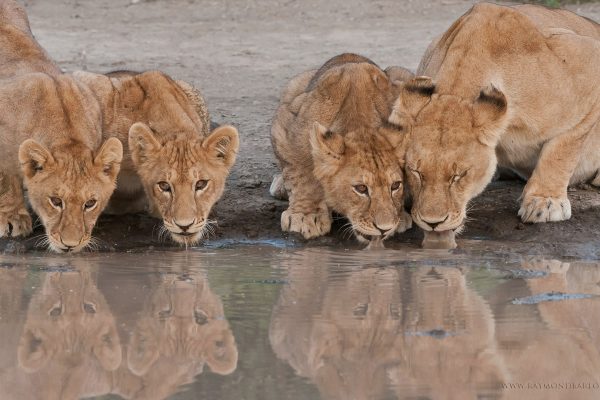
African Lion: Lions, the emblematic species of Africa, wander the plains of Mikumi in prides, resting throughout the day and hunting huge animals at twilight.
Leopard: The leopard is elusive and solitary, stalking quietly through woodland and rocky outcrops, waiting for the right moment to attack its prey.
Cheetah: The cheetah races across the vast plains with incredible speed, chasing smaller animals like impalas and gazelles.
Spotted Hyena: Spotted hyenas are both hunters and scavengers, often using collaboration to bring down animals or take kills from other predators on the wide grasslands of Mikumi.
Side-striped Jackal: This adaptable predator hunts rodents, reptiles, and insects while scavenging leftovers from larger carnivores.
African Wild Dog: These highly endangered predators hunt in coordinated packs, relentlessly pursuing prey over long distances with impressive endurance.
Honey Badger: Fearless and relentless, the honey badger preys on small mammals, birds, and snakes, often challenging much larger animals.
Serval: Using its long legs and acute senses, the serval hunts rodents and small birds in Mikumi’s tall grasses.
Crocodile: Nile crocodiles dominate the park’s waterways, lying in wait to ambush animals that venture near rivers or waterholes.
African Rock Python: This massive constrictor hides near water sources and in dense vegetation, waiting to strike at unsuspecting prey like small antelope.