
African Safari with a Toddler: What to Know and How to Plan
African Safari with a Toddler: Guide to Taking Babies and Toddlers on an African Safari. There are a lot of things to think about if you want to take a newborn or toddler on safari. Let our Africa Safari Experts utilize their decades of firsthand knowledge to help you plan a trip to the continent’s top attractions that the whole family can enjoy without breaking the bank.
An African safari with a toddler is feasible by choosing family-friendly lodges with age-appropriate activities and amenities like babysitting or kids’ clubs, opting for a self-drive or private game drive for flexibility, and considering malaria-free areas. Many standard organized game drives have a minimum age requirement of 6, so it is essential to book a private vehicle or choose specific lodges and destinations with policies that cater to very young children.
African Safari with a Toddler Packages
Kabira Safaris Africa offer specialized African safari packages designed for families with toddlers, featuring child-friendly lodges, private vehicles, flexible schedules, and age-appropriate activities. Top destinations include South Africa, Kenya, and Tanzania, which often feature malaria-free reserves and dedicated childcare options.
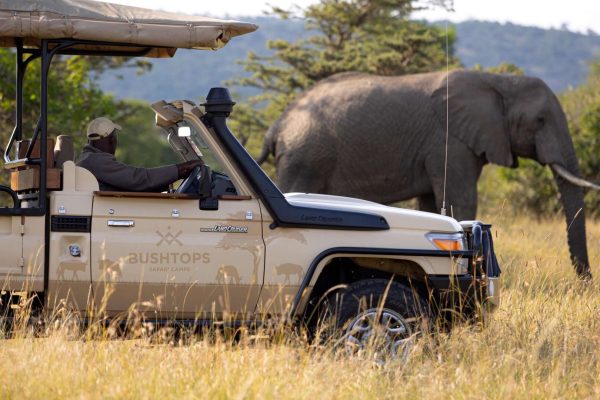
Samburu & Masai Mara Family Safari
A family safari in Samburu and Masai Mara, Kenya combines the unique wildlife of the arid north with the iconic savannas of the south. This can include luxury lodges, private villas, and kid-friendly activities like game drives, sundowners, and cultural visits. Travelers often choose between a fly-in or road trip itinerary, with options for both short and longer stays to suit various family needs and budgets.
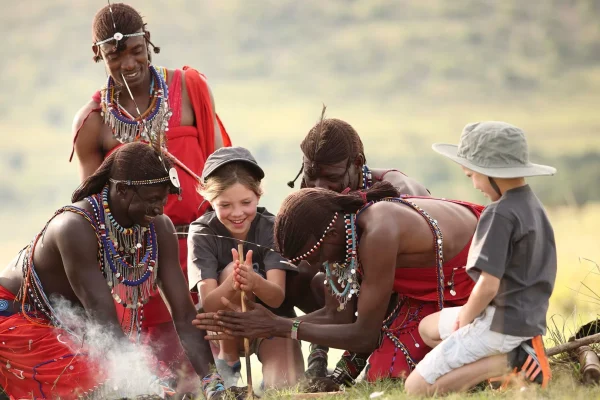
Luxury Family Safari Tanzania
A luxury family safari in Tanzania offers an unparalleled experience with exclusive accommodations, expert guides, and activities designed to engage all age groups. Key destinations include the Serengeti and Ngorongoro Crater, and trips often feature family-friendly lodges and private vehicles.
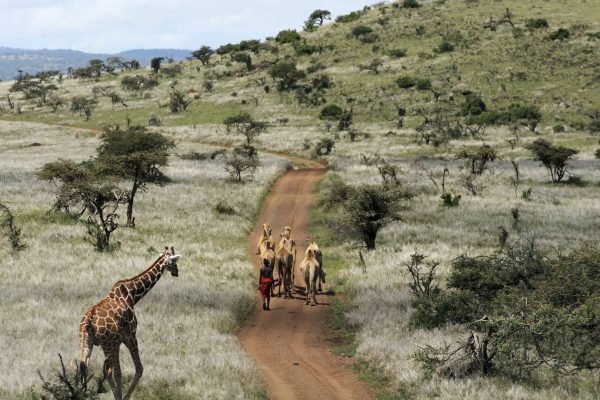
Masai Mara And Laikipia Family Safari
A family safari combining the Masai Mara and Laikipia offers diverse wildlife and activities, from the wildebeest migration in the Mara to the northern species and private adventures in Laikipia. Families can enjoy game drives, guided bush walks, and cultural visits to Maasai villages, with options for private houses or fly-in safaris for easier travel with children. Key activities include viewing rhinos and wild dogs in Laikipia and the “Big Five” in the Mara, with opportunities for unique experiences like night drives and camel rides in private conservancies.
Luxury family Safari Rwanda
Luxury family travel in Rwanda includes upscale accommodations in cities like Kigali, such as the Kigali Marriott Hotel and Kigali Serena Hotel, as well as private safari lodges like Singita Kwitonda Lodge and One&Only Gorilla’s Nest near Volcanoes National Park. Activities can be customized to include mountain gorilla trekking, chimpanzee trekking in Nyungwe Forest, and wildlife viewing in Akagera National Park. Custom luxury family safaris are available, which can include activities for different age groups within a family.
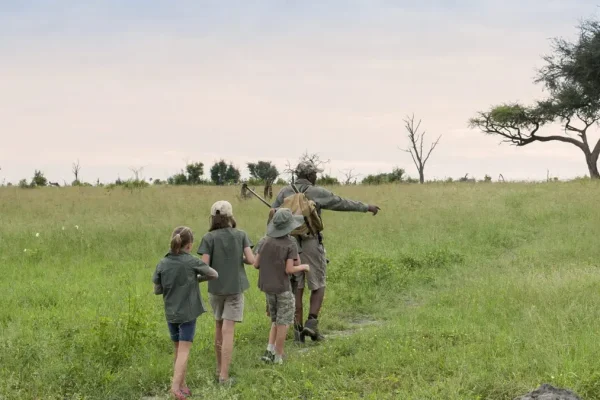
Luxury Family Safari Uganda
A luxury family safari in Uganda can include activities like gorilla trekking, game drives in Queen Elizabeth National Park, and chimpanzee tracking in Kibale National Park. Packages often focus on providing comfort and a balance of adventure with family-friendly options, such as stays at high-end lodges, private guides, and tailored itineraries. The best time for a safari is during the dry seasons, from June to August and December to February.
What you need to consider when talking A toddler on An African Safari
Taking young children on safari is a bit of a rarity, but it is possible. Stories of kids learning to crawl among bugs in the jungle or feeding the local vervet monkey are common in safari literature. That’s fine and good, but there are a lot of additional things to take into account:
- Many lodges and camps have age restrictions: The minimum age for participating in most safari activities is six, however for walking safaris and gorilla trekking, it is sixteen. Because of this, you will have to narrow your hotel options down to those that don’t impose an age minimum.
- Many lodges and camps are unfenced: Animals of many kinds, especially nocturnally active predators like lions, leopards, and hyenas, can freely roam an unfenced camp. If you want to make sure your young children are safe, you’ll need more than just an elephant fence at your lodge. This again imposes immediate limits on your lodging options.
- Malaria zones: Malaria zones should be avoided whenever possible, especially with very small infants who may not be able to take prophylactics. Think about getting yellow fever shots if you need them. Tsetse flies are still around in some areas, and their bites are very unpleasant.
- Travelling on small planes: Small children may experience discomfort in a light aircraft due to the lack of pressurization and the close quarters. As the day heats up, they are also more susceptible to the turbulence and thermals that rise with it, which can cause nausea and dizziness. It’s important to remember that you may have to drop off or pick up other visitors en route to your resort, especially in East Africa. This means that there will be repeated takeoffs and landings, which could be stressful for young children.
- Limited luggage allowances: The needs of infants and toddlers necessitate a plethora of ancillary items, such as strollers, diapers, bottles, extra clothing, and more. There is limited space for luggage on light aircraft, so pack as efficiently as possible.
- Restricted supplies: It is quite difficult to find newborn necessities in the bush, despite the fact that many lodges offer safari stores selling trinkets and occasionally basic amenities. You’ll need to bring enough of supplies in case of emergencies.
- Private game-drive vehicles: Private game-drive cars are often recommended, and in some cases required, by many lodges and camps for families traveling with young children. The benefit of this is that you can take the kids back to camp whenever they’ve had enough without disturbing the other visitors. It’s important to remember that private transportation is not cheap and that spectators are expected to be quiet and seated during sporting events. Guides who have young passengers are prohibited from getting too close to potential predators, especially when traveling in open cars. This means your opportunities to see the big cats, or any other elusive game like buffalo, may be severely limited. A baby’s cry, like many other high-pitched sounds, can distress many animals; it’s better that they don’t get curious and try to find out what’s making the noise.
- Dust, heat, restrooms and bumpy roads: Even though we think safari is fantastic, we have to acknowledge that it may be a bit of an uncomfortable experience in terms of temperature, dust, and road quality. Can you handle a cranky kid on a long car ride or change them if you don’t have a bathroom nearby?
- Kids’ clubs or babysitters: Few hotels and camping grounds offer comprehensive programs for kids. Not only is television presumably not going to be available, but the Wi-Fi connection probably won’t be powerful enough to stream their favorite shows, either.
- The safari schedule: You’ll be an adult now, so you may sleep in after a night of drinking and eating around the campfire in the boma rather than getting up for early morning game drives. At least six hours a day will be spent in the wild. Consider your kids’ ability to adjust to a new routine.
- Family units: Family or interleading rooms are in high demand during the high season, and they book up rapidly. Plan ahead to secure a suite suitable for the whole family.